






When you need to get a document notarized, your first question is probably "Where can I find a notary?" The answer might surprise you—places that have notaries are everywhere, from your local bank to online platforms like BlueNotary. You don't need to spend hours driving around town or waiting in long lines. Today's notary services have evolved far beyond the traditional office visit, offering both in-person and digital solutions that fit your schedule and location needs.
Understanding where to find notary services can save you time, money, and frustration. Whether you're dealing with a power of attorney, real estate documents, or business contracts, knowing your options helps you choose the most convenient and reliable solution for your specific situation.
What Are Places That Have Notaries?
Places that have notaries are locations where you can access notarization services to authenticate important documents. These venues employ or contract with commissioned notary publics who can witness signatures, verify identities, and apply official seals to legal paperwork.

The landscape of notary locations has expanded dramatically in recent years. Traditional brick-and-mortar establishments still serve millions of customers, but digital platforms have revolutionized access to notary services. According to recent industry data, over 45 U.S. states now recognize remote online notarization (RON), creating new categories of places that have notaries.
Key Insight: The definition of "places that have notaries" now includes virtual spaces, not just physical locations. This shift has made notarization more accessible than ever before.
Traditional Physical Locations
Physical places that have notaries typically fall into several categories. Banks and credit unions represent the most common traditional option, with most major financial institutions offering notary services to customers. These locations usually provide free notarization for account holders, though services may be limited to banking hours and specific document types.
Government offices, including city halls, county clerk offices, and courthouse locations, maintain notary services for public documents. These venues often handle high-volume notarization needs and specialize in official government paperwork, though wait times can be lengthy during peak periods.
Legal service providers, including law firms, title companies, and legal aid offices, offer notarization as part of their comprehensive legal services. These locations typically understand complex document requirements and can provide guidance on proper notarization procedures.
Modern Digital Platforms
Digital places that have notaries operate through secure online platforms that connect users with commissioned remote notaries. These services use video conferencing technology, identity verification systems, and digital signature capabilities to provide legally binding notarization from any location with internet access.
Remote online notarization platforms like BlueNotary have transformed the industry by eliminating geographical constraints. Users can access notary services 24/7 from their homes, offices, or any private location with a reliable internet connection and compatible device.
Why It Matters: Digital notary platforms serve areas where physical notary locations are scarce, particularly rural communities and regions with limited business hours. This accessibility ensures equal access to essential legal services regardless of location.
Hybrid Service Models
Some places that have notaries now offer both traditional in-person services and remote online options. This hybrid approach allows customers to choose their preferred method based on document complexity, personal preference, and scheduling needs.
Mobile notary services represent another hybrid model, where commissioned notaries travel to customer locations. While not technically "places" in the traditional sense, mobile services create temporary notary locations at homes, offices, hospitals, or other convenient venues.
How Places That Have Notaries Operate
The operational framework of places that have notaries varies significantly between traditional physical locations and modern digital platforms. Understanding these differences helps you choose the most appropriate service for your specific needs and circumstances.
Traditional In-Person Operations
Physical locations follow established protocols that have remained largely unchanged for decades. When you visit places that have notaries like banks or government offices, the process typically begins with document review and identity verification using government-issued identification.
The notary examines your documents to ensure they're complete and properly formatted before witnessing your signature. They verify your identity through photo ID comparison and may ask questions to confirm your willingness to sign. Once satisfied with the verification process, the notary applies their official seal and signature to complete the notarization.
Scheduling and Availability Considerations:
Traditional places that have notaries operate within specific business hours, usually Monday through Friday during standard office hours. Some locations offer limited weekend or evening services, but availability varies significantly by provider and location.
Walk-in services are common at banks and government offices, though wait times can be unpredictable. Appointment-based services typically offer more reliable scheduling but may require advance booking, especially for complex documents or during busy periods.
Pro Tip: Call ahead to confirm notary availability, even at locations that typically offer walk-in services. Notaries may be out of office, handling other duties, or unavailable due to high demand.
Digital Platform Operations
Remote online notarization platforms operate fundamentally differently from traditional places that have notaries. These digital services use sophisticated technology stacks to replicate and enhance the traditional notarization process while maintaining legal compliance and security standards.
Identity Verification Process:
Digital platforms employ multi-layer identity verification that often exceeds traditional in-person methods. The process typically includes credential analysis of government-issued ID, knowledge-based authentication questions derived from public records, and biometric verification through facial recognition technology.
This comprehensive approach addresses concerns about remote identity verification while providing stronger security than simple visual ID comparison used in traditional settings. The digital verification process creates detailed audit trails that enhance document security and legal defensibility.
Technology Infrastructure:
Places that have notaries in the digital realm require robust technology infrastructure to ensure secure, reliable service delivery. Video conferencing systems must provide high-definition audio and video quality while maintaining encryption standards that protect sensitive information.
Document management systems handle secure upload, storage, and delivery of notarized documents. These platforms typically integrate with digital signature technology and maintain tamper-evident seals that provide ongoing document integrity verification.
Quality Control and Compliance
All places that have notaries must maintain strict compliance with state and federal regulations governing notarization practices. This includes proper record-keeping, continuing education requirements for notaries, and adherence to specific procedures for different document types.
Traditional Location Compliance:
Physical locations typically maintain paper-based journals and records as required by state law. These records include details about each notarization, including signer identity, document type, and notary actions performed.
Staff training ensures notaries understand current legal requirements and can identify potential issues with documents or signers. Regular audits and supervision help maintain quality standards and regulatory compliance.
Digital Platform Compliance:
Remote online notarization platforms must comply with additional technology-specific regulations while maintaining traditional notary standards. This includes secure storage of digital records, proper backup and disaster recovery procedures, and compliance with electronic signature laws.
Advanced audit trails capture every action during remote notarization sessions, creating comprehensive records that exceed traditional paper-based documentation. These digital records provide enhanced legal protection and simplified record retrieval for future reference.
Key Components of Notary Service Locations
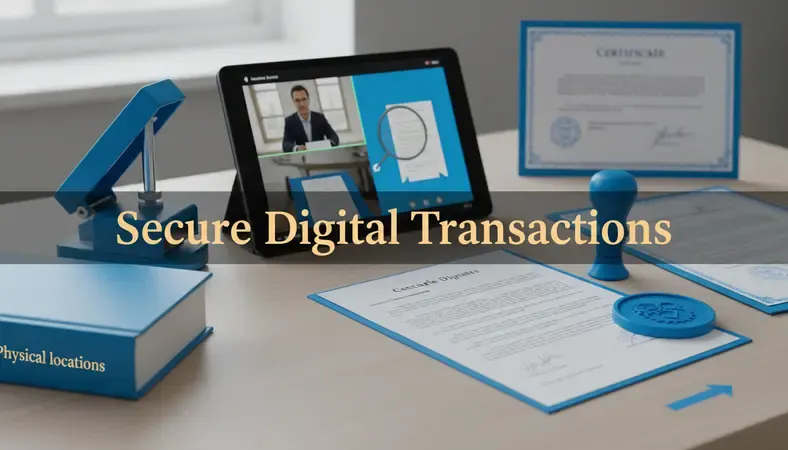
Understanding the essential components that make places that have notaries effective helps you evaluate different options and choose services that meet your specific requirements. Whether considering traditional physical locations or modern digital platforms, certain fundamental elements determine service quality and reliability.
Essential Infrastructure Elements
Physical Infrastructure Requirements:
Traditional places that have notaries require specific physical components to operate effectively. Private meeting spaces ensure confidential document discussions and protect sensitive information from unauthorized access. Adequate lighting and comfortable seating create professional environments that facilitate thorough document review and signing processes.
Secure storage systems protect notary supplies, including official seals, journals, and blank certificates. These storage solutions must prevent unauthorized access while ensuring quick retrieval during notarization sessions. Many locations also maintain copying and scanning equipment to provide document reproduction services.
Digital Infrastructure Requirements:
Digital places that have notaries depend on sophisticated technology infrastructure to deliver secure, reliable services. High-speed internet connections ensure stable video conferencing without interruptions that could compromise the notarization process. Backup internet systems provide redundancy to prevent service disruptions.
Advanced security systems protect sensitive data throughout the notarization process. This includes encrypted communication channels, secure document storage, and tamper-evident digital seals that maintain document integrity after completion.
Staffing and Expertise Components
Notary Qualifications and Training:
All places that have notaries must employ properly commissioned notary publics who meet state licensing requirements. This includes completing required training programs, passing examinations, and maintaining continuing education to stay current with changing regulations.
Experienced notaries understand complex document requirements and can identify potential issues before they become problems. They provide guidance on proper document preparation and can explain notarization requirements to ensure successful completion.
Support Staff Capabilities:
Many places that have notaries employ additional support staff to enhance service delivery. Customer service representatives help schedule appointments, answer questions about document requirements, and provide general guidance about the notarization process.
Technical support staff at digital platforms ensure smooth operation of online systems and help users navigate technology requirements. These team members can troubleshoot connection issues, guide users through identity verification processes, and resolve technical problems that might otherwise prevent successful notarization.
Expert Tip: Look for places that have notaries with experienced support staff who can provide guidance throughout the process. This expertise becomes particularly valuable when dealing with complex documents or unusual notarization requirements.
Service Delivery Components
Document Handling Capabilities:
Effective places that have notaries maintain systems for handling various document types and formats. This includes understanding requirements for different document categories, from simple acknowledgments to complex real estate transactions.
Physical locations typically maintain supplies of common notarial certificates and can accommodate documents in various sizes and formats. Digital platforms must handle electronic document formats while ensuring compatibility with different software systems and file types.
Quality Assurance Systems:
Reliable places that have notaries implement quality control measures to ensure consistent service delivery. This includes standardized procedures for identity verification, document review, and notarization completion.
Regular training updates keep staff informed about changing regulations and best practices. Performance monitoring systems track service quality metrics and identify areas for improvement.
Comparison of Service Components
| Component | Traditional Locations | Digital Platforms | Hybrid Services |
|---|---|---|---|
| Identity Verification | Visual ID comparison | Multi-factor authentication | Both methods available |
| Document Security | Physical custody | Encrypted digital storage | Varies by service type |
| Availability | Business hours only | 24/7 in many cases | Extended but limited hours |
| Record Keeping | Paper journals | Digital audit trails | Combined systems |
| Service Speed | Immediate if available | Often same-day | Depends on chosen method |
This comparison highlights how different types of places that have notaries approach essential service components. Understanding these differences helps you choose the most appropriate option for your specific needs and preferences.
Benefits and Use Cases for Different Notary Locations
The variety of places that have notaries creates opportunities to match specific notarization needs with optimal service delivery methods. Understanding the benefits and ideal use cases for different location types helps you make informed decisions that save time, reduce costs, and ensure proper document handling.
Traditional Physical Location Benefits
Immediate Document Handling:
Physical places that have notaries excel in situations requiring immediate document completion and delivery. When you need notarized documents within hours for court filings, real estate closings, or business transactions, traditional locations provide instant access to completed paperwork.
Banks and credit unions offer particular advantages for financial documents, as staff often understand complex banking requirements and can coordinate notarization with other account services. This integration streamlines processes like loan modifications, account changes, and investment paperwork.
Face-to-Face Consultation:
Complex documents often benefit from in-person discussion with experienced notaries who can explain requirements and identify potential issues. Legal service providers and title companies specialize in sophisticated document types and can provide expert guidance throughout the notarization process.
Government offices excel at handling official documents with specific formatting requirements. Staff at these locations understand regulatory compliance issues and can ensure documents meet all necessary standards for filing and acceptance.
Key Takeaway: Traditional places that have notaries provide immediate, hands-on service that works best for time-sensitive documents and situations requiring detailed consultation.
Digital Platform Benefits
Accessibility and Convenience:
Remote online notarization platforms eliminate geographical constraints that limit access to traditional places that have notaries. Rural areas, small towns, and regions with limited business services can access professional notary services through digital platforms like BlueNotary.
24/7 availability accommodates busy schedules and urgent document needs that arise outside normal business hours. International travelers, remote workers, and people with mobility limitations particularly benefit from this accessibility.
Enhanced Security Features:
Digital platforms often provide superior security compared to traditional methods. Multi-factor identity verification, encrypted communication, and tamper-evident digital seals create comprehensive protection against fraud and document manipulation.
Detailed audit trails capture every action during remote notarization sessions, creating permanent records that exceed traditional paper-based documentation. These digital records simplify future document verification and provide enhanced legal protection.
Cost Efficiency:
Remote notarization eliminates travel costs and time associated with visiting physical locations. This efficiency particularly benefits businesses handling multiple documents or individuals dealing with recurring notarization needs.
Competitive pricing among digital platforms often results in lower fees compared to traditional services, especially when factoring in travel time and related expenses.
Specific Use Case Applications
Real Estate Transactions:
Real estate professionals increasingly rely on places that have notaries that can accommodate complex closing schedules and multiple party coordination. Digital platforms excel at handling purchase agreements, refinancing documents, and property transfers where parties are located in different cities or states.
Traditional title company locations remain valuable for complex commercial transactions requiring extensive document review and coordination with multiple professionals. The hybrid approach allows flexibility based on transaction complexity and participant preferences.
Healthcare and Legal Documents:
Medical facilities and assisted living communities often partner with mobile notary services or maintain on-site notary capabilities for healthcare directives, power of attorney documents, and estate planning paperwork. These specialized places that have notaries understand sensitive document requirements and privacy considerations.
Digital platforms serve clients who cannot easily travel to physical locations due to health conditions, work schedules, or geographical constraints. Remote notarization ensures equal access to essential legal services regardless of personal circumstances.
Business and Commercial Applications:
Corporate environments benefit from places that have notaries that can handle high-volume document processing efficiently. Digital platforms integrate with business workflows and document management systems, streamlining routine notarization needs.
Traditional business service locations remain valuable for complex commercial agreements requiring detailed review and consultation. Law firms and business service centers provide expertise that enhances document quality and legal compliance.
Pro Tip: Consider your document complexity, timeline, and personal preferences when choosing between different types of places that have notaries. Simple documents often work well with digital platforms, while complex transactions may benefit from traditional consultation services.
Industry-Specific Benefits
Legal and Professional Services:
Law firms and legal service organizations represent specialized places that have notaries with deep expertise in document requirements and legal compliance. These locations excel at handling complex legal instruments and can provide guidance on proper document preparation.
Professional service firms often maintain notary capabilities as part of comprehensive client service offerings. This integration simplifies client workflows and ensures consistent service quality across multiple professional relationships.
Financial Services Integration:
Banks and credit unions leverage their existing customer relationships to provide convenient notary services alongside other financial products. This integration streamlines account management and financial planning activities.
Investment firms and insurance companies often maintain specialized places that have notaries familiar with industry-specific document requirements. This expertise ensures proper handling of complex financial instruments and regulatory compliance.
Common Misconceptions About Notary Locations
Many people hold outdated or incorrect beliefs about places that have notaries, leading to unnecessary confusion and suboptimal choices when seeking notarization services. Understanding and correcting these misconceptions helps you make informed decisions and access the most appropriate services for your needs.
Misconception: All Notaries Provide the Same Service Quality
The Reality:
Places that have notaries vary significantly in service quality, expertise, and specialization. While all commissioned notary publics meet basic state requirements, their experience levels, continuing education, and specialization areas differ substantially.
Some locations employ notaries with decades of experience handling complex documents, while others may have recently commissioned notaries with limited exposure to specialized document types. Financial institutions often have notaries experienced with banking documents but may lack expertise in real estate or estate planning paperwork.
Why This Matters:
Document complexity and legal requirements vary significantly across different types of paperwork. A simple acknowledgment requires basic notary skills, while complex real estate transactions or estate planning documents benefit from experienced notaries who understand potential issues and proper procedures.
Choosing places that have notaries with relevant expertise reduces the risk of errors, delays, and legal complications. Experienced notaries can identify incomplete documents, suggest proper completion methods, and ensure compliance with specific legal requirements.
Expert Tip: Ask about notary experience and specialization when dealing with complex documents. Places that have notaries specializing in your document type provide better service and reduce the risk of problems.
Misconception: Digital Notarization Is Less Secure Than In-Person Services
The Reality:
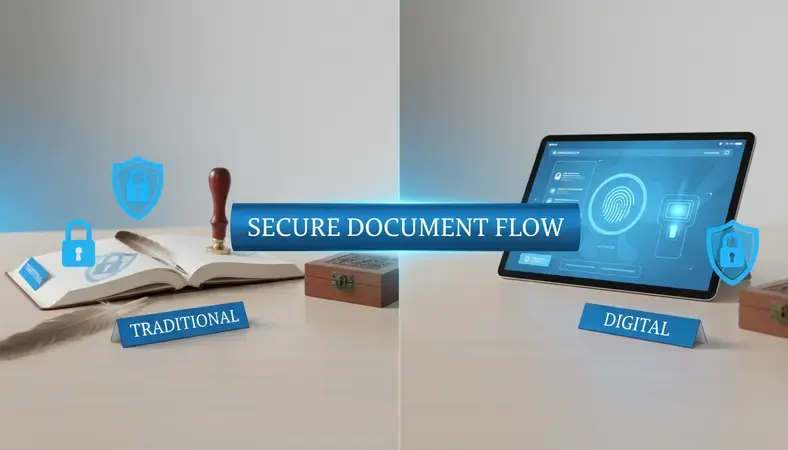
Remote online notarization platforms often provide enhanced security compared to traditional in-person methods. Digital platforms use multi-factor authentication, biometric verification, and encrypted communication channels that exceed the security measures available at most physical locations.
Traditional places that have notaries typically rely on visual ID comparison and basic identity verification questions. Digital platforms add knowledge-based authentication derived from public records, facial recognition technology, and comprehensive audit trails that create permanent verification records.
Security Feature Comparison:
Digital platforms maintain tamper-evident seals that immediately reveal any attempts to modify notarized documents. Traditional paper documents lack these sophisticated protection measures and depend on physical security measures that may be compromised.
Encrypted storage and transmission protect digital documents throughout the notarization process and beyond. Physical documents at traditional locations may be vulnerable to unauthorized access, copying, or modification during handling and storage.
Key Insight: Digital notarization platforms often exceed traditional security standards while providing greater convenience and accessibility. The technology-enhanced verification process creates stronger legal protection than basic in-person methods.
Misconception: Online Notaries Aren't "Real" Notaries
The Reality:
Remote online notaries hold the same state commissions and meet the same qualification requirements as notaries working at traditional physical locations. They complete identical training programs, pass the same examinations, and maintain the same continuing education requirements.
The legal authority and validity of notarizations performed by online notaries match those completed at traditional places that have notaries. State laws governing remote online notarization establish equivalent legal standards and recognition for digital notarizations.
Legal Recognition:
Over 45 U.S. states have enacted legislation specifically authorizing and regulating remote online notarization. These laws establish clear legal frameworks that ensure digital notarizations receive the same legal recognition as traditional in-person services.
Interstate recognition agreements allow notarizations completed through digital platforms to be accepted across state lines, often with greater reliability than traditional paper documents that may be difficult to verify.
Misconception: You Must Use Local Notary Services
The Reality:
Modern notarization laws and technology eliminate most geographical restrictions on places that have notaries. Digital platforms allow you to work with qualified notaries regardless of your location, provided both you and the notary are in states that authorize remote online notarization.
Traditional assumptions about local notary requirements stem from historical limitations that no longer apply in most situations. While some specialized documents may have specific location requirements, the majority of notarization needs can be met through various types of places that have notaries regardless of geographical proximity.
Practical Implications:
This flexibility allows you to choose places that have notaries based on service quality, availability, and cost rather than geographical convenience. You can access specialized expertise that may not be available locally or find services that better match your schedule and preferences.
Rural and underserved areas particularly benefit from this expanded access, as residents can access professional notary services that may not be available locally through traditional brick-and-mortar establishments.
Misconception: Banks Always Provide Free Notary Services
The Reality:
While many banks offer complimentary notarization to account holders, this service often comes with significant limitations and restrictions. Free services may be limited to specific document types, available only during certain hours, or restricted to customers with particular account types or balances.
Some banks charge fees for notarization services, particularly for non-customers or complex documents requiring additional time and expertise. These fees may exceed costs at other places that have notaries while providing less flexibility and convenience.
Service Limitations:
Bank notaries often have limited availability due to other duties and responsibilities. They may be unavailable when you need services, require appointments that don't match your schedule, or lack expertise in specialized document types.
Alternative places that have notaries may provide better value through more flexible scheduling, specialized expertise, and competitive pricing structures that reflect actual service delivery rather than cross-selling opportunities.
Best Practices for Choosing Notary Locations
Selecting the right places that have notaries requires careful consideration of your specific needs, document requirements, and personal preferences. Following established best practices ensures you receive quality service while avoiding common pitfalls that can delay or complicate the notarization process.
Document-Specific Selection Criteria
Simple Documents:
For straightforward documents like basic acknowledgments, affidavits, or simple contracts, most places that have notaries can provide adequate service. Digital platforms often excel in these situations due to their convenience, competitive pricing, and efficient processing capabilities.
Consider factors like availability, cost, and turnaround time when dealing with routine documents. Digital platforms like BlueNotary typically offer 24/7 availability and same-day service, making them ideal for urgent but simple notarization needs.
Complex Legal Documents:
Estate planning documents, real estate transactions, and business agreements benefit from places that have notaries with specialized expertise. Law firms, title companies, and experienced legal service providers understand complex requirements and can provide guidance throughout the process.
These specialized locations may charge higher fees but provide value through expert consultation, error prevention, and comprehensive service that reduces the risk of legal complications or document rejection.
Pro Tip: Match document complexity with notary expertise. Simple documents work well with convenient digital services, while complex legal instruments benefit from specialized traditional providers.
Service Quality Evaluation
Verification and Credentials:
Research the credentials and experience of places that have notaries before committing to their services. Verify that notaries hold current state commissions and maintain proper insurance coverage to protect against errors and omissions.
Check online reviews, professional references, and regulatory records to assess service quality and reliability. Look for consistent positive feedback regarding accuracy, professionalism, and customer service quality.
Technology and Security Assessment:
For digital platforms, evaluate technology infrastructure, security measures, and compliance with state regulations. Ensure platforms use encrypted communication, maintain proper data security, and provide tamper-evident document protection.
Traditional locations should maintain secure document handling procedures, proper record-keeping systems, and professional environments that protect client confidentiality and document integrity.
Cost and Value Considerations
Transparent Pricing Structure:
Choose places that have notaries with clear, upfront pricing that includes all fees and charges. Avoid providers with hidden costs, unclear fee structures, or charges that only become apparent during the service process.
Compare total costs including travel time, parking fees, and opportunity costs when evaluating different options. Digital platforms may appear more expensive initially but often provide better overall value when considering convenience factors.
Service Scope and Limitations:
Understand what services are included in quoted prices and what additional charges may apply. Some places that have notaries include document preparation assistance, while others charge separately for consultation and guidance.
Clarify availability, scheduling requirements, and any restrictions that might affect your ability to complete notarization within your required timeframe.
Scheduling and Availability Optimization
Advance Planning:
Contact places that have notaries well in advance of your deadline, especially during busy periods or when dealing with complex documents. Popular providers may have limited availability, and rushing the selection process often leads to suboptimal choices.
Confirm availability for your specific document type and any special requirements that might affect scheduling or service delivery. Some notaries specialize in particular document categories and may not be available for all types of notarization.
Backup Options:
Identify multiple places that have notaries that can meet your needs in case your primary choice becomes unavailable. Having backup options prevents delays and ensures you can complete notarization within required timeframes.
Consider both traditional and digital options to maximize flexibility and ensure access to services regardless of scheduling conflicts or unexpected complications.
Technology and Accessibility Requirements
Digital Platform Preparation:
If choosing online notarization services, ensure you have compatible technology and reliable internet connectivity. Test video conferencing capabilities, document upload systems, and identity verification processes before your scheduled appointment.
Prepare required identification documents, ensure adequate lighting for video calls, and familiarize yourself with the platform's user interface to streamline the notarization process.
Traditional Location Preparation:
When visiting physical places that have notaries, call ahead to confirm availability, required documentation, and any specific procedures or requirements. Bring proper identification and ensure documents are complete and ready for notarization.
Plan for potential wait times and bring any supporting materials that might be needed for document completion or notary consultation.
Common Questions About Places That Have Notaries
Understanding frequently asked questions about places that have notaries helps clarify common concerns and provides practical guidance for accessing notarization services effectively.
Can I use any notary for my documents?
Most documents can be notarized by any commissioned notary public, regardless of where they're located or how they provide services. However, some specialized documents may have specific requirements about notary qualifications, location restrictions, or particular procedures that must be followed.
Real estate documents sometimes require notaries familiar with local recording requirements, while certain legal instruments may need notaries with specific training or certification. International documents might require notaries with apostille authority or other specialized credentials.
When choosing places that have notaries, verify that the notary can handle your specific document type and meets any special requirements. Most providers can clarify their capabilities and limitations during initial consultation.
Key Takeaway: While most notaries can handle standard documents, complex or specialized paperwork may require specific qualifications or expertise that not all places that have notaries can provide.
How do I verify a notary's credentials?
Every state maintains public records of commissioned notary publics that you can access to verify credentials and current status. State websites typically provide searchable databases where you can confirm a notary's commission status, expiration date, and any disciplinary actions.
For places that have notaries operating digital platforms, additional verification may include checking business licenses, insurance coverage, and compliance with remote online notarization regulations. Reputable providers willingly share credential information and regulatory compliance documentation.
Professional associations and industry organizations often maintain member directories that provide additional verification of notary credentials and ongoing education. These resources help identify experienced, well-qualified notaries who maintain high professional standards.
What's the difference between mobile notaries and online notaries?
Mobile notaries travel to your location to provide traditional in-person notarization services. They bring notary supplies and equipment to homes, offices, hospitals, or other convenient locations, creating temporary places that have notaries wherever you need them.
Online notaries provide remote notarization services through digital platforms using video conferencing technology. You connect with the notary through secure online systems without either party traveling to a physical location.
Both options offer convenience compared to visiting traditional brick-and-mortar locations, but they serve different needs and preferences. Mobile services work well when you prefer face-to-face interaction but can't travel to fixed locations. Online services provide maximum convenience and often better availability, especially for routine documents.
Are online notarizations legally valid everywhere?
Online notarizations are legally valid in states that have enacted remote online notarization laws, which currently includes over 45 states and the District of Columbia. However, some states may not recognize online notarizations performed in other states, creating potential complications for interstate document use.
The legal landscape continues evolving as more states adopt RON legislation and interstate recognition agreements. Most major document types, including real estate transactions, estate planning documents, and business agreements, can be handled through online notarization in participating states.
Before choosing online places that have notaries, verify that your documents will be accepted in the jurisdictions where they'll be used. Most reputable platforms provide guidance about legal recognition and can help ensure your documents meet all necessary requirements.
How much should I expect to pay for notary services?
Notary fees vary significantly depending on the type of service, location, and document complexity. Traditional places that have notaries typically charge between $5-15 per notarization, though some locations offer free services to customers or members.
Digital platforms often charge $25-50 per document, reflecting the enhanced technology, security features, and convenience they provide. Mobile notary services typically charge $50-150 per appointment, including travel time and on-site service delivery.
Complex documents requiring consultation or specialized expertise may incur additional fees regardless of the service type. Always request detailed pricing information upfront to avoid unexpected charges and compare total costs including convenience factors when evaluating options.
Can I notarize documents for family members?
Most states prohibit notaries from notarizing documents for immediate family members, including spouses, children, parents, and siblings. This restriction prevents conflicts of interest and ensures the notary maintains proper impartiality during the notarization process.
The specific definition of prohibited relationships varies by state, with some extending restrictions to other relatives or financial beneficiaries. Places that have notaries should clearly explain these limitations and help you find alternative solutions when conflicts exist.
When family relationships create conflicts, consider using different places that have notaries or digital platforms where you can access notaries without personal connections. This approach ensures proper legal compliance while maintaining document validity.
What This Means for You
Finding the right places that have notaries doesn't have to be complicated or time-consuming. Whether you choose traditional locations, digital platforms, or mobile services, the key is matching your specific needs with the most appropriate service type. Get started with BlueNotary to experience the convenience and security of professional online notarization services. Ready to get started? Visit BlueNotary to learn more.