





Getting your notary public commission is a lot easier than you might think. Forget the old classroom-based training requirements and scheduling nightmares. You can handle it all digitally, usually in just a few hours, using comprehensive online notary public courses. Whether you're a real estate agent looking to expand your services, a law firm employee seeking additional credentials, or someone interested in starting a flexible side business, choosing the right notary public courses online makes all the difference. This guide walks you through everything you need to know about selecting, completing, and succeeding with online notary training programs.

Understanding Notary Public Courses Online
Notary public courses online represent a fundamental shift in how aspiring notaries receive their education and training. These digital programs provide the same comprehensive instruction as traditional classroom courses but with the flexibility and convenience that modern professionals demand.
What Makes Online Notary Training Effective
Online notary public courses combine interactive learning modules, video demonstrations, and practice exercises to create an engaging educational experience. The best programs include real-world scenarios, state-specific legal requirements, and hands-on practice with notarial procedures. Students can progress at their own pace while accessing expert instructors through chat support, discussion forums, and live webinars.
The effectiveness of these programs stems from their ability to provide immediate feedback and unlimited review opportunities. Unlike traditional classroom settings where students might miss important details during a single lecture, online courses allow learners to revisit complex topics until they achieve mastery. This approach is particularly valuable when learning intricate legal requirements and proper notarial procedures.
State-Specific Requirements and Variations
Each state maintains unique requirements for notary public education, making it crucial to select courses that align with your specific jurisdiction. Some states require mandatory education hours, while others make training optional but highly recommended. For example, California requires a six-hour course for new notaries, while Texas mandates a four-hour training program. Florida requires no formal education but strongly encourages comprehensive training.
Why It Matters: Choosing a course that doesn't meet your state's specific requirements means starting over with a compliant program, wasting both time and money.
Quality online notary public courses address these variations by offering state-specific tracks. These specialized programs cover local laws, procedures, and examination requirements. They also include state-specific forms, fee schedules, and bonding requirements that vary significantly across jurisdictions.
The Technology Behind Modern Notary Education
Today's online notary public courses leverage advanced learning management systems that track progress, identify knowledge gaps, and provide personalized study recommendations. These platforms often include mobile compatibility, allowing students to study during commutes or breaks. Interactive elements like drag-and-drop exercises, virtual document reviews, and simulated notarial acts help reinforce learning through practical application.
Many programs also integrate with state databases and testing systems, streamlining the path from education to commission. This technological integration reduces administrative burdens and helps students navigate the often complex application process more efficiently.
How Online Notary Training Programs Work
The structure and delivery of notary public courses online follow a carefully designed progression that builds knowledge systematically. Understanding this process helps you choose programs that match your learning style and schedule constraints.
Course Structure and Learning Modules
Most comprehensive online notary public courses organize content into logical modules that progress from basic concepts to advanced applications. The typical structure begins with foundational legal principles, moves through notarial procedures and ethics, and concludes with practical applications and exam preparation.
Module 1: Legal Foundations covers the historical role of notaries, constitutional authority, and basic legal principles. Students learn about the notary's role as an impartial witness and the legal significance of notarization in preventing fraud.
Module 2: Notarial Procedures focuses on the step-by-step process of performing notarial acts. This includes proper identification verification, administering oaths and affirmations, and completing notarial certificates correctly.
Module 3: Ethics and Professional Standards addresses the notary's duty of impartiality, avoiding conflicts of interest, and maintaining proper records. This module often includes case studies and ethical dilemmas to reinforce learning.
Module 4: State-Specific Requirements covers local laws, approved procedures, and jurisdiction-specific forms and fees. This section is crucial for ensuring compliance with local regulations.
Interactive Learning Elements
Quality online notary public courses incorporate various interactive elements to enhance engagement and retention. Video demonstrations show proper procedures in action, while interactive quizzes provide immediate feedback on comprehension. Many programs include virtual reality components or 360-degree videos that simulate real notarization scenarios.
Practice exercises allow students to work with sample documents and complete mock notarizations. These hands-on activities help bridge the gap between theoretical knowledge and practical application. Some advanced programs even provide access to digital notary tools and platforms for hands-on experience with modern notarization technology.
Pro Tip: Look for courses that offer unlimited practice attempts and detailed explanations for incorrect answers. This approach helps identify and correct knowledge gaps before taking official examinations.
Assessment and Certification Methods
Online notary public courses employ various assessment methods to ensure mastery of required knowledge. Progressive assessments throughout the course help identify areas needing additional study, while comprehensive final examinations test overall competency.
Many programs offer multiple assessment formats including multiple-choice questions, scenario-based problems, and document completion exercises. The best courses provide detailed score reports that highlight strengths and areas for improvement. Some programs also offer retake opportunities for students who don't initially pass comprehensive assessments.
Integration with State Licensing Systems
Advanced online notary public courses often integrate directly with state licensing and examination systems. This integration streamlines the transition from education to official testing and commission application. Students can often schedule state examinations directly through the course platform and receive automatic notification when they've completed required education hours.
This technological integration extends to continuing education requirements in states that mandate ongoing training. The same platforms that deliver initial notary education often provide continuing education courses, tracking completion and automatically updating state records.
Key Components of Quality Online Notary Courses
Selecting effective notary public courses online requires understanding the essential components that separate comprehensive programs from basic offerings. Quality courses incorporate specific elements that ensure thorough preparation for both state examinations and real-world notarial practice.
Comprehensive Curriculum Coverage
The foundation of any quality online notary course lies in its comprehensive coverage of essential topics. Effective programs address all aspects of notarial practice, from basic legal principles to advanced procedures and technology applications.
Legal Framework and Authority: Quality courses begin with a thorough exploration of the legal basis for notarial authority. This includes constitutional foundations, statutory requirements, and the notary's role within the broader legal system. Students learn about the historical development of notarial practice and its evolution in the digital age.
Document Types and Procedures: Comprehensive programs cover all common document types that require notarization, including acknowledgments, jurats, copy certifications, and signature witnessing. Each document type receives detailed treatment, including proper completion procedures and common pitfalls to avoid.
Technology Integration: Modern notary public courses online must address remote online notarization (RON) technology and digital notarial tools. This includes instruction on video conferencing platforms, digital signature verification, and electronic record-keeping requirements.
State-Specific Legal Requirements
Quality online notary courses provide detailed coverage of jurisdiction-specific requirements that vary significantly between states. This specialization ensures students receive relevant, applicable training rather than generic information.
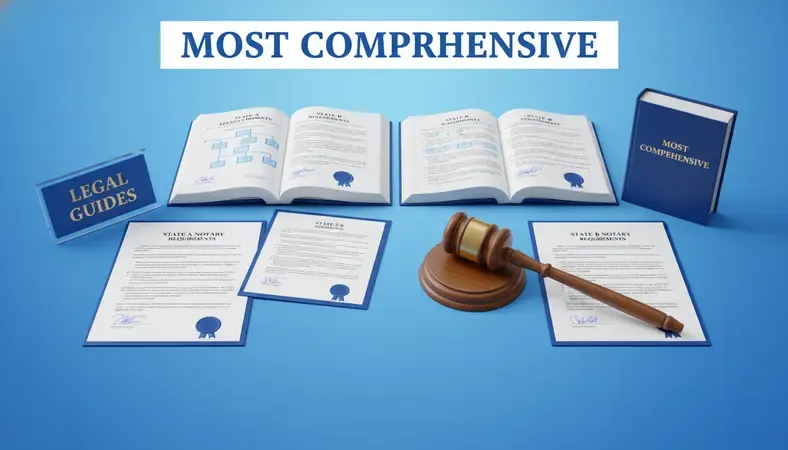
Examination Preparation: States with mandatory examinations require courses that specifically prepare students for their testing format and content. Quality programs include practice examinations that mirror official tests in both format and difficulty level.
Commission Application Support: The best online notary public courses guide students through the entire commission application process, including required documentation, background check procedures, and bonding requirements.
Instructor Expertise and Support
The quality of instruction significantly impacts the effectiveness of online notary public courses. Programs led by experienced notaries, attorneys, or notary educators provide insights that go beyond basic regulatory compliance.
Expert Instructors: Look for courses taught by instructors with extensive notarial experience, legal backgrounds, or specialized expertise in notary education. Many quality programs feature multiple instructors with different areas of specialization.
Student Support Services: Comprehensive programs provide multiple avenues for student support, including live chat, email assistance, and scheduled office hours. Some programs offer one-on-one consultation sessions to address specific questions or concerns.
Expert Tip: The best online notary courses provide lifetime access to updated materials and ongoing support, recognizing that notarial practice evolves with changing laws and technology.
Assessment and Feedback Mechanisms
Effective online notary public courses employ sophisticated assessment strategies that go beyond simple multiple-choice testing. Quality programs use varied assessment methods to ensure comprehensive understanding and practical readiness.
Progressive Assessments: Quality courses include assessments throughout the learning process, not just at the end. These progressive evaluations help identify knowledge gaps early and provide opportunities for remediation before final testing.
Detailed Feedback: The best programs provide comprehensive feedback on assessments, explaining not just correct answers but also why other options are incorrect. This detailed feedback helps reinforce learning and prevent common mistakes.
Benefits and Use Cases for Online Notary Training
The advantages of pursuing notary public courses online extend far beyond simple convenience. These programs offer unique benefits that make them particularly attractive to specific professional groups and career situations.
Professional Flexibility and Career Enhancement
Online notary training provides unmatched flexibility for working professionals who need to balance education with existing responsibilities. Real estate agents can complete courses during slow periods, while law firm employees can study after hours without disrupting their primary duties.
For Real Estate Professionals: Real estate agents benefit significantly from notary commissions, as they can handle document notarizations that frequently arise during transactions. This additional service capability can differentiate agents in competitive markets and provide additional revenue streams.
For Legal Support Staff: Paralegals and legal assistants find notary commissions valuable for handling routine document authentication within their firms. Many law firms prefer employees with notary credentials to streamline document processing and reduce reliance on external notaries.
For Title Company Employees: Title companies frequently require notarial services for closing documents and property transfers. Employees with notary commissions can handle these requirements internally, improving efficiency and reducing costs.
Cost-Effectiveness and Accessibility
Online notary public courses typically cost significantly less than traditional classroom programs while providing comparable or superior educational value. Students save on travel expenses, parking fees, and time away from work that traditional programs require.
Reduced Total Cost: When factoring in all associated expenses, online courses often cost 40-60% less than classroom alternatives. This cost advantage makes notary education accessible to individuals who might otherwise find traditional programs financially prohibitive.
Geographic Accessibility: Online programs eliminate geographic barriers that might prevent access to quality notary education. Rural residents or those in areas with limited educational offerings can access the same high-quality instruction as urban students.
Key Takeaway: The combination of lower costs and greater accessibility makes online notary education an attractive option for career changers and those seeking additional professional credentials.
Personalized Learning Experience
Online notary public courses accommodate different learning styles and paces more effectively than traditional classroom settings. Visual learners benefit from interactive diagrams and video demonstrations, while kinesthetic learners engage with hands-on exercises and simulations.
Self-Paced Learning: Students can spend additional time on challenging concepts while moving quickly through familiar material. This personalized approach leads to better comprehension and retention compared to fixed-pace classroom instruction.
Unlimited Review Opportunities: Online courses allow students to revisit difficult concepts multiple times, ensuring thorough understanding before moving forward. This capability is particularly valuable when learning complex legal requirements and procedures.
Technology Integration and Modern Relevance
Online notary public courses naturally incorporate modern technology and digital tools that reflect current notarial practice. Students gain familiarity with remote online notarization platforms, digital signature verification, and electronic record-keeping systems.
RON Preparation: As remote online notarization becomes more prevalent, online courses provide natural preparation for this technology-driven aspect of modern notarial practice. Students learn to use video conferencing tools, digital identity verification systems, and electronic document management platforms.
Digital Literacy Development: The process of completing online courses itself builds digital literacy skills that prove valuable in modern notarial practice. Students become comfortable with online platforms, digital communication tools, and electronic record-keeping systems.
Common Mistakes When Choosing Online Notary Courses
Selecting appropriate notary public courses online requires avoiding several common pitfalls that can derail your path to commission or leave you inadequately prepared for professional practice.
Choosing Non-Compliant Programs
The most costly mistake involves selecting courses that don't meet your state's specific requirements. Many generic online programs market themselves as suitable for all states but fail to address crucial jurisdiction-specific requirements.
Generic vs. State-Specific Content: Generic courses might cover general notarial principles but miss critical state-specific laws, procedures, and examination content. Students who complete non-compliant programs must start over with approved courses, wasting time and money.
Unaccredited Providers: Some online platforms offer notary training without proper state approval or accreditation. These programs might seem legitimate but don't satisfy official education requirements. Always verify that your chosen program is approved by your state's notary regulating authority.
Why It Matters: Completing a non-compliant course means you cannot proceed with your commission application, effectively nullifying your educational investment and delaying your career goals.
Focusing Solely on Price
While cost considerations are important, choosing the cheapest available option often leads to inadequate preparation and poor outcomes. Extremely low-cost programs frequently cut corners on content quality, instructor expertise, or student support.
False Economy of Cheap Programs: Inexpensive courses that don't adequately prepare students for state examinations result in failed tests and the need for additional training. The cost of retaking examinations and purchasing supplementary materials often exceeds the savings from choosing bargain programs.
Missing Essential Components: Budget programs might omit crucial elements like hands-on practice exercises, comprehensive assessment tools, or access to expert instructors. These omissions leave students unprepared for real-world notarial challenges.
Ignoring Technology Requirements
Online notary public courses require specific technology capabilities that some students overlook when making their selections. Failing to verify compatibility can lead to frustrating technical issues that impede learning.
Platform Compatibility: Some courses require specific browsers, plugins, or software that might not work with older devices or restricted corporate networks. Students should verify technical requirements before enrollment to avoid access problems.
Internet Connectivity Needs: High-quality online courses often include video content, interactive elements, and real-time assessments that require reliable, high-speed internet connections. Students with limited connectivity should choose programs optimized for lower bandwidth situations.
Underestimating Time Commitments
Many students underestimate the time required to complete comprehensive online notary public courses, leading to rushed preparation and poor outcomes. Quality programs require significant study time to master complex legal concepts and procedures.
Unrealistic Scheduling: Students who attempt to complete courses too quickly often miss important details or fail to achieve adequate comprehension. Rushing through material increases the likelihood of examination failure and inadequate preparation for professional practice.
Inadequate Practice Time: Effective notarial practice requires hands-on experience with procedures and documents. Students who skip practice exercises or rush through simulations miss crucial skill development opportunities.

Best Practices for Succeeding in Online Notary Courses
Maximizing the value of notary public courses online requires strategic approaches to learning, time management, and skill development. These proven practices help ensure successful course completion and thorough preparation for professional notarial practice.
Creating an Optimal Learning Environment
Success in online education begins with establishing a dedicated learning environment that minimizes distractions and maximizes focus. This environment should support sustained concentration and effective information retention.
Dedicated Study Space: Establish a specific location for course work that's free from household distractions and interruptions. This space should include reliable internet access, comfortable seating, and adequate lighting for extended study sessions.
Consistent Study Schedule: Develop a regular study routine that aligns with your natural energy patterns and existing commitments. Consistent scheduling helps build momentum and ensures steady progress through course materials.
Technology Optimization: Ensure your computer, internet connection, and study environment support the technical requirements of your chosen course. Test all systems before beginning coursework to identify and resolve potential issues.
Active Learning Strategies
Passive consumption of course content rarely leads to adequate mastery of notarial concepts and procedures. Active learning strategies enhance comprehension and retention while building practical skills.
Note-Taking and Summarization: Create comprehensive notes that summarize key concepts in your own words. This process of translation helps identify areas of confusion and reinforces important information through multiple exposures.
Practice Application: Complete all available practice exercises and simulations, even those marked as optional. Hands-on practice helps bridge the gap between theoretical knowledge and practical application.
Discussion Participation: Engage actively in course forums, discussion boards, and live sessions. Interaction with instructors and fellow students provides different perspectives and clarifies confusing concepts.
Pro Tip: Create your own practice scenarios based on your intended area of notarial practice. Real estate agents should focus on property-related documents, while legal support staff should emphasize litigation and contract materials.
Comprehensive Examination Preparation
Success on state notary examinations requires systematic preparation that goes beyond basic course completion. Effective preparation strategies address both content mastery and test-taking skills.
Practice Testing: Take multiple practice examinations under timed conditions to build familiarity with question formats and identify knowledge gaps. Many online notary public courses provide extensive practice testing opportunities.
Content Review: Create a systematic review schedule that covers all course topics multiple times before examination dates. Spaced repetition helps move information from short-term to long-term memory.
Weak Area Focus: Identify topics that consistently cause difficulty and dedicate additional study time to these areas. Most online courses provide detailed performance analytics that highlight areas needing improvement.
Building Professional Networks
Online notary public courses provide opportunities to connect with fellow students and industry professionals who can provide ongoing support and career opportunities.
Peer Connections: Build relationships with classmates who share similar professional interests or geographic locations. These connections often prove valuable for referrals and professional support.
Instructor Relationships: Maintain contact with course instructors who can provide ongoing guidance and serve as professional references. Many instructors are practicing notaries or legal professionals with extensive industry connections.
Professional Organizations: Join state and national notary organizations that provide continuing education, networking opportunities, and professional development resources. Many online courses provide information about relevant professional associations.
Troubleshooting Common Online Learning Challenges
Even well-designed notary public courses online can present challenges that require proactive problem-solving approaches. Understanding common issues and their solutions helps ensure smooth progress toward course completion and professional readiness.
Technical Difficulties and Solutions
Technology issues represent the most common barriers to successful completion of online notary courses. Proactive preparation and systematic troubleshooting approaches can resolve most technical challenges quickly.
Browser and Platform Issues: Different courses work best with specific browsers or require particular settings for optimal performance. Chrome and Firefox typically provide the most reliable experience, while Internet Explorer may cause compatibility problems with newer course platforms.
Audio and Video Problems: Courses with multimedia content require properly configured audio and video systems. Test these components before beginning coursework and ensure you have alternative options if primary systems fail.
Internet Connectivity Challenges: Unreliable internet connections can interrupt course progress and cause lost work. Save progress frequently and consider downloading course materials when possible for offline review.
Expert Tip: Keep contact information for technical support readily available and don't hesitate to reach out for assistance. Most quality online notary public courses provide responsive technical support to help resolve issues quickly.
Time Management and Motivation
Online learning requires self-discipline and effective time management skills that some students find challenging. Developing systematic approaches to these challenges improves completion rates and learning outcomes.
Procrastination Prevention: Break large course sections into smaller, manageable tasks that can be completed in single study sessions. This approach prevents overwhelming feelings that often lead to procrastination.
Motivation Maintenance: Set specific, measurable goals for course progress and celebrate achievements along the way. Regular progress tracking helps maintain momentum during challenging sections.
Accountability Systems: Share your course goals with friends, family, or colleagues who can provide encouragement and accountability. Some students benefit from study groups or learning partnerships with fellow students.
Content Comprehension Issues
Complex legal concepts and detailed procedures can challenge students who lack legal or business backgrounds. Systematic approaches to difficult content help ensure thorough understanding.
Supplementary Resources: Use additional resources like legal dictionaries, state notary handbooks, and professional publications to clarify confusing concepts. Many online notary public courses provide recommended reading lists and resource links.
Instructor Consultation: Take advantage of instructor office hours, email support, and live chat features to clarify difficult concepts. Don't wait until examination time to address comprehension issues.
Peer Learning: Connect with classmates to discuss challenging topics and share different perspectives on complex concepts. Group study sessions, even conducted virtually, can enhance understanding through collaborative learning.

Frequently Asked Questions About Online Notary Courses
How long does it take to complete online notary public courses?
The duration of online notary public courses varies significantly based on state requirements, course depth, and individual study pace. Most comprehensive programs require 15-40 hours of study time spread over 2-8 weeks. States with mandatory education requirements typically specify minimum hour requirements: California requires 6 hours, Pennsylvania requires 3 hours, and Texas mandates 4 hours of instruction.
Self-paced online courses allow students to complete requirements faster or slower based on their schedule and learning needs. Students with legal or business backgrounds often complete courses more quickly, while those new to legal concepts may need additional time. Most quality programs provide access for 6-12 months, allowing ample time for thorough preparation.
The key factor is ensuring adequate time for comprehension rather than rushing through material. Students who complete courses too quickly often struggle with state examinations and real-world application of notarial procedures.
Are online notary courses accepted in all states?
Online notary public courses are widely accepted across the United States, but specific approval requirements vary by state. Most states that require notary education accept online delivery methods, provided the courses meet state-specific content and provider approval requirements.
States like Florida, Texas, and Virginia explicitly approve online notary education and maintain lists of approved providers. Other states may require courses to include specific topics, minimum instruction hours, or particular assessment methods. Some states require live instruction components that may be delivered through webinars or virtual classroom sessions.
Before enrolling in any online course, verify that it's approved for your specific state and meets all regulatory requirements. State notary regulating authorities typically maintain updated lists of approved education providers and course requirements on their official websites.
What technology do I need for online notary courses?
Most online notary public courses require basic computer equipment and reliable internet connectivity. Essential technology includes a computer or tablet with current operating system, updated web browser (Chrome, Firefox, or Safari recommended), reliable high-speed internet connection, and functional audio capabilities for video content.
Some advanced courses may require additional technology like webcam access for identity verification, microphone for live sessions, or specific software downloads. Courses that include remote online notarization training often require familiarity with video conferencing platforms and digital signature tools.
Mobile device compatibility varies between course providers. While many courses offer mobile-friendly interfaces for content review, complex interactive elements and assessments often work best on desktop or laptop computers. Check specific technical requirements before enrollment to ensure compatibility with your available technology.
Can I get continuing education credits through online courses?
Many states that require continuing education for notaries accept online delivery methods for ongoing training requirements. Online continuing education courses offer the same convenience and flexibility as initial notary education while providing updated information on law changes, new procedures, and emerging technology.
States with continuing education requirements typically specify approved topics, minimum hour requirements, and provider approval criteria. Common continuing education topics include ethics updates, law changes, technology training, and specialized notarial procedures. Some states require specific percentages of continuing education to address particular topics like ethics or state law updates.
Quality online continuing education providers offer courses designed specifically for practicing notaries, focusing on practical applications and recent developments in notarial practice. These programs often provide certificates of completion that satisfy state reporting requirements and maintain records for audit purposes.
How much do online notary courses typically cost?
Online notary public courses typically range from $50 to $300, depending on comprehensiveness, state requirements, and provider reputation. Basic courses covering minimum state requirements often cost $50-$100, while comprehensive programs with extensive support and resources may cost $150-$300.
Cost factors include course length and depth, instructor expertise and support, practice materials and assessments, state-specific content development, and ongoing access and updates. Some providers offer package deals that include course materials, practice examinations, and application assistance.
When comparing costs, consider the total value proposition rather than just price. Expensive courses that provide thorough preparation and ongoing support often prove more cost-effective than cheap programs that require supplementary materials or retaking examinations. Many employers reimburse education costs for employees seeking notary commissions, making comprehensive programs more accessible.
What happens if I fail the state notary examination?
Most states allow multiple attempts at notary examinations, though specific retake policies vary by jurisdiction. Common approaches include immediate retake opportunities, waiting periods between attempts, or requirements for additional education before retesting.
Students who fail initial examinations should analyze their performance to identify knowledge gaps and focus additional study on weak areas. Many online notary public courses provide detailed performance analytics and additional practice materials for students preparing for retake examinations.
Some course providers offer examination guarantees or free retake preparation for students who don't pass initial attempts. These guarantees typically require completion of all course materials and practice assessments before taking official examinations. Quality providers stand behind their programs and provide additional support for students who need extra preparation.
What This Means for You
Choosing the right online notary public courses sets the foundation for a successful notarial career that can enhance your professional capabilities and open new opportunities. The flexibility and comprehensive training these programs provide make notary education accessible to busy professionals while ensuring thorough preparation for both state examinations and real-world practice. Get started with BlueNotary to see how easy professional notarial services can be. Ready to get started? Visit BlueNotary to learn more.