
Ever wondered what happens when traditional notarization meets the digital age? An online notary republic isn’t some futuristic concept—it’s happening right now, transforming how we handle legal documents across the United States. Think of it as a digital revolution that’s making notarization faster, more convenient, and surprisingly more secure than the old paper-and-pen method.
The term “online notary republic” refers to the growing network of states that have embraced remote online notarization (RON) technology, creating a connected system where notarized documents can be completed entirely online. This digital republic spans across jurisdictions, allowing notaries and signers to connect virtually while maintaining the legal integrity that notarization requires.
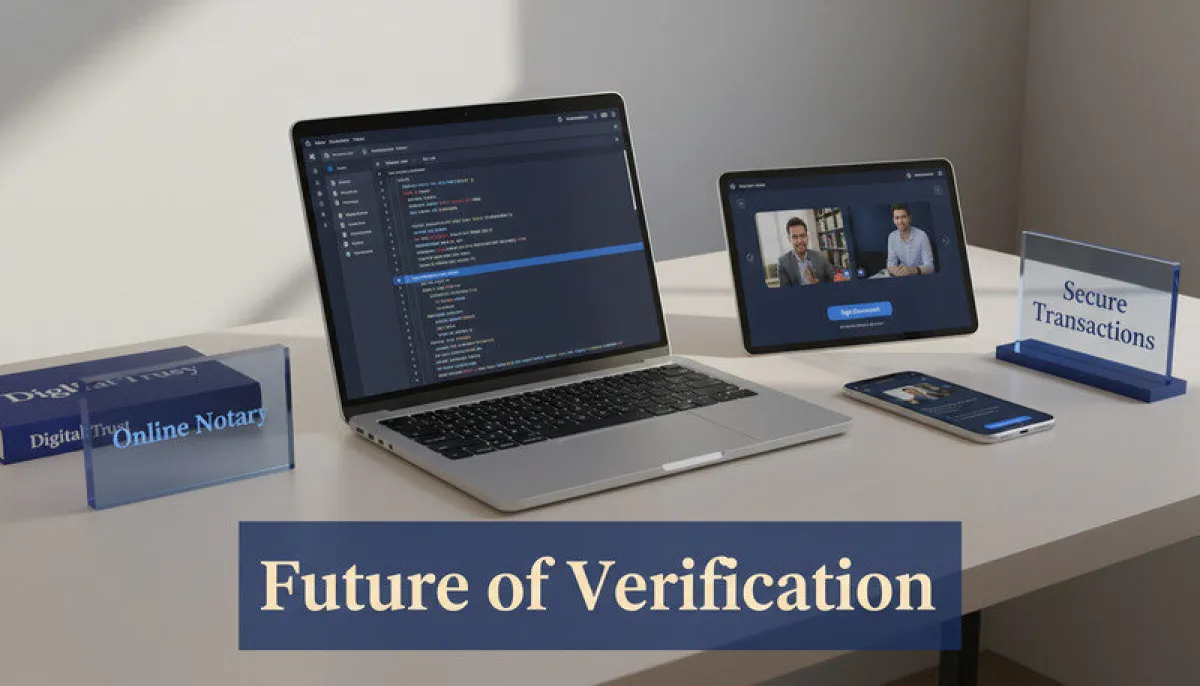
You’ll discover exactly how this online notary republic operates, why it’s revolutionizing legal processes for law firms, real estate agents, and title companies, and what makes it different from traditional notarization. We’ll break down the technology behind it, explore the legal framework that makes it possible, and show you how to navigate this digital landscape with confidence.
What Is an Online Notary Republic?
An online notary republic represents the collective network of states, platforms, and legal frameworks that enable remote online notarization to function seamlessly across jurisdictions. It’s not a single entity but rather an interconnected system where digital notarization can occur between parties in different locations, creating a “republic” of online notary services.
The Foundation of Digital Notarization
The online notary republic builds on decades of legal precedent and modern technology. Unlike traditional notarization that requires physical presence, this digital ecosystem uses advanced identity verification, secure video conferencing, and tamper-evident technology to create legally binding notarized documents.
At its core, the online notary republic operates on three fundamental principles. First, identity verification must be more thorough than traditional methods, often using multiple authentication factors. Second, the entire notarization session must be recorded and stored securely. Third, the digital seal and signature must be cryptographically secure and tamper-evident.
Key Insight: The online notary republic isn’t just digitizing old processes—it’s creating new standards of security and verification that often exceed traditional notarization methods.
Legal Framework and Interstate Recognition
The legal backbone of the online notary republic comes from the Uniform Electronic Transactions Act (UETA) and the Electronic Signatures in Global and National Commerce Act (E-SIGN Act). These federal laws provide the foundation for electronic signatures and records, while individual state laws govern the specific requirements for remote online notarization.
Currently, over 40 states have enacted RON legislation, creating a robust network where notarized documents from one state are recognized in others. This interstate recognition is crucial for the online notary republic concept, as it allows seamless document processing across state lines.
Technology Infrastructure
The technology supporting the online notary republic includes several sophisticated components working together. Identity verification systems use artificial intelligence to analyze government-issued IDs, checking for security features and comparing them against databases. Knowledge-based authentication (KBA) systems generate questions based on personal records that only the signer would know.
Video conferencing platforms designed specifically for notarization include features like session recording, screen sharing for document review, and integrated e-signature capabilities. These platforms must meet strict security and compliance requirements, often exceeding those of general video conferencing tools.
Comparison of Traditional vs Online Notary Systems
| Aspect | Traditional Notarization | Online Notary Republic |
|---|---|---|
| Location Requirements | Physical presence required | Remote access from anywhere |
| Identity Verification | Visual ID check only | Multi-factor authentication |
| Record Keeping | Paper journal entries | Digital recordings and logs |
| Security Features | Physical seal and signature | Cryptographic seals and tamper-evident technology |
| Accessibility | Limited by notary availability | 24/7 access in many jurisdictions |
| Interstate Recognition | Generally accepted | Varies by state RON laws |
The online notary republic represents a fundamental shift in how we think about notarization, moving from a location-based service to a technology-enabled process that can happen anywhere with proper safeguards.
How the Online Notary Republic Works
The online notary republic operates through a sophisticated process that combines legal compliance, advanced technology, and human oversight. Understanding this process helps explain why it’s becoming the preferred method for many legal and business transactions.
The Digital Notarization Process
When someone needs a document notarized within the online notary republic, the process begins with scheduling a session through a certified RON platform like BlueNotary. The signer uploads their documents and provides basic information, while the system begins preliminary verification checks.
The actual notarization session follows a structured protocol. First, the notary and signer connect via secure video conference. The notary then guides the signer through a comprehensive identity verification process that typically includes three components: credential analysis, knowledge-based authentication, and biometric verification.
During credential analysis, the signer presents a government-issued ID to their camera. Advanced software analyzes the document’s security features, checking for authenticity markers that would be difficult to forge. This process often catches fraudulent documents that might pass visual inspection in traditional notarization.
Pro Tip: The identity verification in online notarization is often more thorough than traditional methods. While a traditional notary might spend 30 seconds looking at an ID, the digital system performs dozens of security checks in real-time.
Knowledge-Based Authentication Process
Knowledge-based authentication represents a crucial security layer in the online notary republic. The system generates questions based on the signer’s personal history, credit reports, and public records. These questions cover information that would be difficult for an impostor to know, such as previous addresses, loan amounts, or family member names.
The KBA process typically involves 4-5 multiple-choice questions, and the signer must answer most correctly within a time limit. If they fail the first attempt, they may get one additional try with different questions. This process adds a layer of security that doesn’t exist in traditional notarization.
Biometric Verification and Session Recording
Modern online notary republic platforms use facial recognition technology to compare the signer’s live image with their photo ID. This biometric verification happens continuously throughout the session, ensuring the same person remains present for the entire notarization.
Every session in the online notary republic is recorded from start to finish. These recordings capture the audio, video, and screen activity, creating a comprehensive record of the notarization. The recordings are encrypted and stored securely, often for seven to ten years, providing a detailed audit trail if questions arise later.
Digital Seal and Signature Application
Once identity verification is complete and the signer has reviewed the document, the notary applies their digital seal and signature. This isn’t just a digital image of a traditional seal—it’s a cryptographic certificate that creates a tamper-evident seal on the document.
The digital seal contains encrypted information about the notary’s commission, the date and time of notarization, and other relevant details. If anyone attempts to alter the document after notarization, the seal will indicate tampering, providing security that exceeds traditional paper-based methods.
Interstate Commerce and Recognition
The online notary republic’s power comes from interstate recognition of remotely notarized documents. When a notary in one state notarizes a document for a signer in another state, the receiving state typically recognizes the notarization as valid, provided both states have compatible RON laws.
This interstate functionality is particularly valuable for real estate transactions, where buyers and sellers might be in different states. A real estate closing that once required extensive coordination of schedules and locations can now happen efficiently online, with all parties participating from their preferred locations.

The technology supporting this process continues to evolve, with new security features and user experience improvements being added regularly. The online notary republic benefits from network effects—as more states adopt RON laws and more platforms improve their services, the entire system becomes more valuable and accessible.
Key Components of the Online Notary Republic
The online notary republic consists of several interconnected components that work together to create a secure, legally compliant, and user-friendly notarization experience. Each component plays a crucial role in maintaining the integrity and effectiveness of the system.
Certified RON Platforms and Technology Providers
RON platforms serve as the technological backbone of the online notary republic. These platforms must meet strict security and compliance requirements, often undergoing regular audits and certifications. Leading platforms like BlueNotary provide the infrastructure that connects notaries with signers while maintaining all necessary legal and security protocols.
These platforms typically offer features beyond basic video conferencing. They include document management systems, identity verification tools, session recording capabilities, and secure storage for completed transactions. The platforms also handle the complex task of ensuring compliance with varying state laws and regulations.
Most RON platforms integrate with existing business systems, allowing law firms, real estate agencies, and title companies to incorporate online notarization into their existing workflows. This integration capability is essential for the online notary republic to function effectively in professional environments.
Identity Verification Infrastructure
The identity verification component of the online notary republic relies on multiple layers of authentication. Credential analysis systems use machine learning algorithms trained on thousands of government-issued IDs to detect forgeries and alterations. These systems can identify subtle security features that human eyes might miss.
Knowledge-based authentication draws from extensive databases of personal information compiled from credit reports, public records, and other verified sources. The questions generated are designed to be answerable by the genuine person but difficult for impostors to guess correctly.
Biometric verification systems use facial recognition technology that has improved dramatically in recent years. These systems can detect attempts to use photos or videos instead of live faces, and they continuously monitor throughout the session to ensure the same person remains present.
Why It Matters: The multi-layered identity verification in the online notary republic often provides better security than traditional notarization, where a notary might spend only seconds examining an ID.
Legal and Regulatory Framework
The legal foundation of the online notary republic includes federal laws like E-SIGN and UETA, but the specific implementation varies by state. Each state with RON legislation has its own requirements for notary training, technology standards, and record-keeping obligations.
Notaries operating in the online notary republic must typically complete additional training beyond traditional notary education. This training covers technology use, identity verification procedures, and the specific legal requirements for remote notarization in their state.
The regulatory framework also includes oversight mechanisms. State notary regulators can audit RON platforms, review notarization records, and investigate complaints. This oversight helps maintain public trust in the online notary republic system.
Session Recording and Storage Systems
Every notarization session in the online notary republic generates a comprehensive digital record. This record includes the audio and video of the entire session, screen recordings of document interactions, and detailed logs of all system activities.
The storage systems for these records must meet strict security and retention requirements. Records are typically encrypted both in transit and at rest, with access controls that ensure only authorized parties can view them. Most jurisdictions require these records to be retained for seven to ten years.
Key Components Comparison Table
| Component | Primary Function | Security Features | Compliance Requirements |
|---|---|---|---|
| RON Platform | Session management and coordination | End-to-end encryption, secure communications | State-specific certifications |
| Identity Verification | Confirm signer identity | Multi-factor authentication, fraud detection | NIST compliance standards |
| Recording Systems | Create audit trail | Tamper-evident storage, access controls | State retention requirements |
| Digital Sealing | Apply notary seal and signature | Cryptographic certificates, tamper detection | PKI infrastructure standards |
Integration with Existing Systems
The online notary republic succeeds partly because it integrates well with existing business processes. Many RON platforms offer APIs that allow integration with document management systems, customer relationship management tools, and other business applications.
For law firms, this integration might mean that clients can access notarization services directly through the firm’s client portal. Real estate agents can integrate RON into their transaction management systems, allowing all parties to complete notarization without leaving the familiar workflow.
Title companies particularly benefit from these integrations, as they can coordinate multiple notarizations across different parties and jurisdictions while maintaining centralized oversight of the entire transaction process.

The component architecture of the online notary republic continues to evolve as technology advances and regulatory requirements become more standardized across states. This evolution helps ensure that the system remains secure, efficient, and accessible to users across different industries and use cases.
Benefits and Use Cases of the Online Notary Republic
The online notary republic delivers significant advantages across multiple industries and use cases, transforming how businesses and individuals handle notarized documents. These benefits extend beyond simple convenience to include enhanced security, improved accessibility, and substantial cost savings.
Enhanced Accessibility and Convenience
The online notary republic eliminates geographical and scheduling constraints that have long plagued traditional notarization. Signers can complete notarizations from anywhere with internet access, whether they’re at home, in the office, or traveling. This accessibility is particularly valuable for individuals with mobility limitations or those in remote areas where notaries might be scarce.
The 24/7 availability offered by many RON platforms means that urgent documents can be notarized outside traditional business hours. This flexibility is crucial for time-sensitive transactions like real estate closings or legal filings with approaching deadlines.
For businesses, the online notary republic enables streamlined workflows where document signing and notarization happen in a single digital session. This integration reduces the back-and-forth typically required when coordinating separate signing and notarization appointments.
Key Takeaway: The online notary republic transforms notarization from a scheduling challenge into a simple digital task that can be completed in minutes rather than days.
Cost Efficiency and Time Savings
Traditional notarization often involves hidden costs beyond the notary fee itself. Travel time, parking fees, and lost productivity from leaving the office can make a $10 notarization cost significantly more in real terms. The online notary republic eliminates these ancillary costs while often providing faster service.
For businesses that regularly require notarized documents, the time savings compound quickly. A law firm that previously spent hours coordinating notarizations for multiple clients can now complete the same work in minutes through online platforms.
The efficiency gains are particularly pronounced for multi-party transactions. Real estate closings that once required coordinating schedules across buyers, sellers, agents, and notaries can now happen with all parties joining from their preferred locations.
Industry-Specific Applications
Legal Services and Law Firms
Law firms represent one of the largest user groups in the online notary republic. They use RON for client intake forms, affidavits, power of attorney documents, and various legal declarations. The ability to notarize documents during client video consultations streamlines the legal process significantly.
Many law firms report that online notarization improves client satisfaction by reducing the friction in legal processes. Clients appreciate not having to make additional trips to the office solely for notarization purposes.
The digital record-keeping aspect of the online notary republic also benefits law firms by providing comprehensive audit trails for compliance and potential litigation purposes. These detailed records often exceed what’s available from traditional notarization.
Real estate transactions
Real estate represents perhaps the most transformative use case for the online notary republic. Property transactions involve multiple notarized documents and often include parties in different locations. RON enables remote closings where buyers can complete their portion from one location while sellers participate from another.
This capability proved especially valuable during the COVID-19 pandemic but has continued to grow as people recognize the convenience. Real estate agents report faster transaction times and higher client satisfaction when using online notarization services.
The online notary republic also enables “hybrid closings” where some documents are signed online while others might still require in-person handling, providing flexibility to accommodate different comfort levels and legal requirements.
Title Companies and Escrow Services
Title companies have embraced the online notary republic as a way to improve service delivery and operational efficiency. They can coordinate notarizations across multiple parties and time zones while maintaining centralized oversight of the entire transaction.
The detailed recording and audit trail capabilities of RON platforms help title companies meet their compliance obligations while providing better service to their clients. The ability to review session recordings if questions arise later adds an extra layer of protection for all parties.
Security and Fraud Prevention Benefits
The online notary republic often provides superior fraud prevention compared to traditional notarization methods. The multi-layered identity verification process makes it significantly more difficult for someone to impersonate another person during notarization.
The comprehensive session recording creates evidence that can be reviewed if questions about the notarization arise later. This level of documentation rarely exists with traditional notarization, where the only record might be a brief journal entry.
The digital sealing technology used in the online notary republic makes document tampering immediately detectable. If someone attempts to alter a document after notarization, the cryptographic seal will indicate the tampering, providing security that paper-based seals cannot match.
Expert Tip: Many fraud prevention experts consider the identity verification used in online notarization to be more thorough than what’s typically performed in traditional notarization, where a notary might spend only seconds examining an ID.

Compliance and Record-Keeping Advantages
The online notary republic automatically creates detailed compliance records that exceed what’s typically available from traditional notarization. Every session generates comprehensive logs of all activities, creating an audit trail that satisfies regulatory requirements across multiple industries.
For businesses subject to regulatory oversight, these detailed records can be invaluable during audits or compliance reviews. The standardized format of digital records also makes them easier to search and organize compared to paper-based systems.
The long-term storage capabilities of RON platforms ensure that records remain accessible for the required retention periods, eliminating concerns about lost or damaged paper records.
These benefits combine to make the online notary republic an attractive option for businesses and individuals who value efficiency, security, and compliance in their document processes.
Common Misconceptions About the Online Notary Republic
Despite its growing adoption and proven track record, the online notary republic faces several persistent misconceptions that can prevent people from taking advantage of its benefits. Understanding and addressing these misconceptions is crucial for making informed decisions about online notarization.
Security and Fraud Concerns
One of the most common misconceptions is that online notarization is less secure than traditional methods. This belief often stems from general concerns about digital security rather than understanding the specific safeguards built into RON platforms.
In reality, the online notary republic typically employs more robust security measures than traditional notarization. While a traditional notary might spend 30 seconds glancing at an ID, online platforms perform dozens of automated security checks, analyze document authenticity using artificial intelligence, and verify identity through multiple independent methods.
The fear that someone could easily impersonate another person online overlooks the sophisticated identity verification process. The combination of credential analysis, knowledge-based authentication, and biometric verification creates multiple barriers that would be extremely difficult for a fraudster to overcome.
Key Insight: Studies have shown that the multi-layered identity verification used in online notarization catches fraudulent attempts that might succeed in traditional face-to-face encounters, where notaries rely primarily on visual inspection of IDs.
Legal Validity and Acceptance
Another persistent misconception is that documents notarized through the online notary republic aren’t as legally valid as those notarized traditionally. This concern often arises from unfamiliarity with the legal framework supporting RON.
Documents notarized through certified RON platforms in compliant states carry the same legal weight as traditionally notarized documents. The legal foundation includes federal laws like E-SIGN and UETA, along with specific state RON legislation that explicitly authorizes remote online notarization.
The misconception about legal validity sometimes extends to concerns about interstate recognition. While it’s true that RON laws vary by state, the trend is toward broader acceptance and recognition. Most states with RON legislation recognize remotely notarized documents from other RON-enabled states.
Technology Complexity and Accessibility
Some people assume that participating in the online notary republic requires advanced technical skills or expensive equipment. This misconception can deter potential users who would benefit significantly from online notarization services.
The reality is that most RON platforms are designed for ease of use, requiring only a computer or smartphone with internet access, a camera, and a microphone. The user interfaces are typically intuitive, guiding users through each step of the process with clear instructions.
Many platforms also provide technical support to help users who encounter difficulties. The goal is to make online notarization accessible to people with varying levels of technical comfort, not to create barriers for less tech-savvy users.
Cost and Value Perceptions
A common misconception is that online notarization through the online notary republic is significantly more expensive than traditional methods. This perception often focuses only on the direct service fee without considering the total cost of traditional notarization.
When factoring in travel time, transportation costs, lost productivity, and the convenience value of flexible scheduling, online notarization often provides better overall value. For businesses, the time savings alone can justify the cost difference, if any exists.
Additionally, many RON platforms offer competitive pricing, and the increased efficiency often allows notaries to offer services at reasonable rates while maintaining profitability.
Quality and Personal Service Concerns
Some people worry that online notarization lacks the personal touch and careful attention they associate with traditional notary services. This misconception assumes that remote interaction necessarily means lower quality service.
Professional notaries operating in the online notary republic often provide more thorough service than their traditional counterparts. The structured process, comprehensive identity verification, and detailed session recording actually create opportunities for more careful attention to each transaction.
Many users report that online notaries take more time to explain the process, answer questions, and ensure understanding compared to traditional notarizations, which are often rushed due to scheduling pressures.
Pro Tip: The session recording feature of online notarization means that notaries have additional incentive to provide excellent service, as their performance is documented and can be reviewed if questions arise.
Document Type Limitations
A misconception exists that only simple documents can be handled through the online notary republic, and that complex legal documents require traditional notarization. This belief underestimates the capabilities of modern RON platforms and the training of online notaries.
The online notary republic can handle virtually any document type that can be notarized traditionally, including complex legal documents, real estate papers, business agreements, and personal legal instruments. The digital format often makes it easier to review documents thoroughly before notarization.
Some document types do have specific requirements or restrictions, but these typically relate to state law rather than limitations of the online notarization process itself. Professional RON platforms and notaries are well-versed in these requirements and can guide users appropriately.
Generational and Cultural Resistance
There’s often an assumption that online notarization is only suitable for younger, tech-savvy users, while older adults or those from traditional industries won’t adapt well to the online notary republic approach.
Experience shows that users across all age groups and industries can successfully use online notarization services. Many older adults appreciate the convenience of not having to travel for notarization, especially those with mobility challenges or transportation limitations.
The key is providing adequate support and clear instructions, which reputable RON platforms prioritize. Once users complete their first online notarization, they often become enthusiastic advocates for the process.
Understanding these misconceptions helps potential users make informed decisions based on facts rather than unfounded concerns. The online notary republic continues to evolve and improve, addressing legitimate concerns while maintaining the security and legal validity that users require.
Best Practices for Using the Online Notary Republic
Successfully navigating the online notary republic requires understanding both the technology and the best practices that ensure smooth, legally compliant notarizations. These practices benefit both individual users and businesses implementing RON services.
Choosing the Right RON Platform
Selecting an appropriate platform is crucial for success in the online notary republic. Look for platforms that are certified in your state and maintain compliance with all relevant regulations. Established platforms like BlueNotary typically offer better reliability, security, and customer support than newer or uncertified services.
Evaluate the platform’s identity verification methods, ensuring they use multi-layered authentication including credential analysis, knowledge-based authentication, and biometric verification. The platform should also provide comprehensive session recording and secure document storage that meets legal requirements.
Consider integration capabilities if you’re implementing RON for business use. The best platforms offer APIs and integrations with common business tools, allowing online notarization to fit seamlessly into existing workflows.
Expert Tip: Before committing to a platform, test their customer support responsiveness and technical assistance quality. You’ll want reliable help available when time-sensitive documents need notarization.
Preparing for Online Notarization Sessions
Proper preparation significantly improves the online notarization experience. Ensure you have a stable internet connection, as video interruptions can disrupt the process and potentially require starting over. Test your camera and microphone beforehand to avoid technical delays during the session.
Gather all required identification documents before scheduling your session. You’ll typically need a current government-issued photo ID, and some transactions might require additional documentation. Having everything ready prevents delays and ensures the session proceeds smoothly.
Review your documents before the session to understand what you’re signing and to identify any questions you want to ask the notary. While notaries can explain the notarization process, they cannot provide legal advice about document contents.
Document Preparation and Management
Ensure your documents are properly formatted for online viewing and signing. PDF format typically works best, and documents should be clear and legible when displayed on screen. Poor document quality can cause delays or require rescheduling the session.
Organize multiple documents in the order they’ll be signed, and ensure all signature and notarization fields are clearly marked. This preparation helps the session flow smoothly and reduces the chance of missing required signatures or acknowledgments.
For businesses regularly using the online notary republic, consider creating standardized document templates that work well with your chosen RON platform. This standardization improves efficiency and reduces the likelihood of technical issues during sessions.
Identity Verification Best Practices
Understand the identity verification process before your session to avoid surprises or delays. The knowledge-based authentication questions draw from your personal history, so be prepared to answer questions about previous addresses, loans, or other personal information.
Ensure your physical appearance matches your ID photo reasonably closely. While some variation is expected, significant differences might require additional verification steps. If you’ve changed your appearance substantially since your ID was issued, consider updating your identification if possible.
Position yourself in a well-lit area where your face is clearly visible to the camera throughout the session. Poor lighting or frequent movement can interfere with biometric verification and potentially disrupt the notarization process.
Business Implementation Strategies
Organizations implementing online notarization should develop clear policies and procedures for staff and clients. These policies should cover when to use RON versus traditional notarization, how to prepare clients for online sessions, and how to handle technical difficulties.
Train staff members who will be coordinating online notarizations on the platform’s features and common troubleshooting steps. While the notary handles the actual notarization, having knowledgeable staff can improve the client experience and reduce support requests.
Consider the client experience when implementing RON services. Provide clear instructions and support materials that help clients prepare for their online notarization sessions. Many businesses create simple guides or video tutorials to help clients understand the process.
Security and Compliance Considerations
Maintain awareness of the legal requirements in your jurisdiction, as RON laws continue to evolve. Stay informed about changes in state regulations that might affect how you use online notarization services, particularly if you work across multiple states.
Keep records of your online notarizations organized and accessible, even though the RON platform maintains the official records. Having your own documentation can be helpful for business processes and client service.
Be cautious about using public Wi-Fi networks for online notarization sessions, as these networks may not provide adequate security for sensitive document transactions. Use secure, private internet connections whenever possible.
Key Takeaway: Success in the online notary republic comes from combining proper preparation with understanding of the technology and legal requirements. The investment in learning best practices pays dividends in smoother, more efficient notarization experiences.
Troubleshooting Common Issues
Familiarize yourself with common technical issues and their solutions. Connection problems, audio issues, and document display problems are the most frequent challenges in online notarization. Knowing basic troubleshooting steps can save time and frustration.
Have backup plans for critical notarizations. While online platforms are generally reliable, technical issues can occasionally occur. Knowing alternative approaches or backup notaries can be valuable for time-sensitive transactions.
Understand the platform’s rescheduling and refund policies in case technical problems prevent completion of your notarization. Reputable platforms typically offer reasonable policies for situations beyond the user’s control.
Maximizing the Benefits
Take advantage of the flexibility that the online notary republic offers. Schedule notarizations at times that work best for your schedule, rather than being constrained by traditional business hours or notary availability.
Use the comprehensive record-keeping features of RON platforms for your own documentation needs. The detailed session records and secure document storage can be valuable for compliance, auditing, or future reference.
Consider the networking opportunities that some RON platforms provide, connecting you with notaries who specialize in your industry or document types. Building relationships with experienced online notaries can improve service quality for repeat transactions.
Following these best practices helps ensure that your experience with the online notary republic is efficient, secure, and legally compliant, whether you’re an individual user or implementing RON services for your business.
Frequently Asked Questions About the Online Notary Republic
Understanding the online notary republic often requires answers to specific questions that users encounter when considering or using remote online notarization services. These frequently asked questions address the most common concerns and provide practical guidance.
Is online notarization legally valid in all states?
Online notarization legality varies by state, but the trend strongly favors expansion and recognition. Currently, over 40 states have enacted remote online notarization laws, with more states adding RON legislation each year. States with RON laws generally recognize remotely notarized documents from other RON-enabled states, creating the interconnected system that defines the online notary republic.
However, some states still require traditional notarization for certain document types or haven’t yet passed comprehensive RON legislation. Before proceeding with online notarization, verify that your state accepts RON for your specific document type and intended use. Most reputable RON platforms provide current information about state-by-state acceptance and any limitations.
The legal validity of online notarization is supported by federal laws including the Electronic Signatures in Global and National Commerce Act (E-SIGN) and the Uniform Electronic Transactions Act (UETA), which provide the foundation for electronic signatures and digital documents across interstate commerce.
How secure is the identity verification process in online notarization?
The identity verification process in the online notary republic typically exceeds the security measures used in traditional notarization. While traditional notaries might spend 30 seconds visually examining an ID, online platforms perform comprehensive multi-layered verification that includes credential analysis, knowledge-based authentication, and biometric verification.
Credential analysis uses artificial intelligence to examine government-issued IDs for security features, checking for signs of alteration or forgery that might not be visible to the human eye. Knowledge-based authentication generates questions from the signer’s personal history that would be difficult for an impostor to answer correctly. Biometric verification uses facial recognition technology to compare the live signer with their photo ID continuously throughout the session.
This multi-layered approach creates significant barriers for fraudulent activity. Studies indicate that the comprehensive identity verification used in online notarization catches fraudulent attempts that might succeed in traditional face-to-face encounters where verification relies primarily on visual inspection.
Why It Matters: The sophisticated identity verification in online notarization often provides better fraud protection than traditional methods, making it a more secure option for sensitive document transactions.
What technology do I need to participate in online notarization?
Participating in the online notary republic requires minimal technology that most people already have access to. You need a device with internet access (computer, tablet, or smartphone), a camera, and a microphone. Most modern devices include built-in cameras and microphones that work adequately for online notarization sessions.
A stable internet connection is crucial for successful online notarization. While you don’t need extremely high-speed internet, the connection should be reliable enough to support video conferencing without frequent interruptions. Most home and office internet connections are sufficient for this purpose.
The software requirements are typically minimal, as most RON platforms work through web browsers without requiring special downloads or installations. Some platforms offer mobile apps for added convenience, but these are usually optional rather than required.
Can complex legal documents be notarized online?
The online notary republic can handle virtually any document type that can be notarized traditionally, including complex legal documents such as powers of attorney, real estate deeds, business agreements, and estate planning documents. The digital format often makes it easier to review documents thoroughly before notarization.
Some document types may have specific requirements or restrictions, but these typically relate to state law rather than limitations of the online notarization process itself. For example, some states might require traditional notarization for certain real estate documents or court filings, while accepting online notarization for others.
Professional RON platforms and certified online notaries are well-versed in state-specific requirements and can guide users appropriately. If you’re unsure whether your document can be notarized online, consult with the RON platform or an attorney familiar with your state’s laws.
How much does online notarization cost compared to traditional services?
Online notarization fees are typically competitive with traditional notary services, often ranging from $15 to $50 per notarization depending on the platform and complexity of the transaction. While the direct service fee might be similar to or slightly higher than traditional notarization, the total cost is often lower when considering all factors.
Traditional notarization involves hidden costs including travel time, transportation expenses, parking fees, and lost productivity from leaving work or home. These ancillary costs can make a $10 traditional notarization significantly more expensive in real terms.
For businesses, the time savings from online notarization often justify any cost difference. The ability to complete notarizations quickly without coordinating schedules and locations can result in substantial productivity gains that exceed the service fee difference.
What happens if there are technical problems during my session?
Reputable RON platforms have procedures for handling technical difficulties that might occur during notarization sessions. If connection problems, audio issues, or other technical challenges prevent completion of the notarization, most platforms will reschedule the session at no additional charge.
The comprehensive session recording means that if technical problems occur partway through the notarization, there’s a complete record of what was accomplished before the interruption. This documentation can help resume the process efficiently when technical issues are resolved.
Many platforms provide technical support during business hours to help resolve issues quickly. Some offer 24/7 support for urgent notarizations. Before selecting a RON platform, verify their technical support availability and problem resolution policies.
How long are the session recordings kept, and who can access them?
Session recordings in the online notary republic are typically retained for seven to ten years, depending on state requirements and platform policies. These recordings are encrypted and stored securely with strict access controls to protect privacy and maintain legal compliance.
Access to session recordings is generally limited to the parties involved in the notarization, the notary, and authorized personnel from the RON platform for technical or legal purposes. Law enforcement or court orders may also provide access in specific legal circumstances.
The detailed nature of these recordings provides valuable protection for all parties involved. If questions arise about the notarization later, the comprehensive audio, video, and activity logs provide clear evidence of what occurred during the session, often exceeding the documentation available from traditional notarization.
Understanding these common questions and their answers helps users navigate the online notary republic with confidence, making informed decisions about when and how to use remote online notarization services effectively.
What This Means for You
The online notary republic represents a fundamental shift toward more accessible, secure, and efficient document notarization that benefits individuals and businesses alike. Whether you’re handling occasional personal documents or managing regular business transactions, understanding this digital ecosystem can save you time, money, and hassle while providing enhanced security and legal compliance. Get started with BlueNotary to experience how easy and secure online notarization can be for your specific needs. Ready to get started? Visit BlueNotary to learn more.