

Remote online notarization services have revolutionized how we handle document authentication. Gone are the days of rushing to a notary’s office during business hours or scrambling to find one when you need urgent document processing. With remote online notarization services, you can get your documents notarized from anywhere with an internet connection, often within minutes rather than hours or days.
Think of remote online notarization services as the digital evolution of traditional notarization. Estate Planning Instead of meeting face-to-face, you connect with a commissioned notary through a secure video platform. The notary verifies your identity using advanced technology, watches you sign the document electronically, and applies their digital seal. The entire process maintains the legal integrity and security requirements of traditional notarization while offering unprecedented convenience.
This comprehensive guide will walk you through everything you need to know about remote online notarization services. 7 Bank Technology Solutions That You’ll discover how the technology works, what makes it legally binding, and when it’s the right choice for your needs. Whether you’re a law firm handling client documents, a real estate agent managing property transactions, or a title company processing closings, understanding remote online notarization services can streamline your operations and improve client satisfaction.

What Are Remote Online Notarization Services
Remote online notarization services represent a fundamental shift in how notarization works. At its core, remote online notarization is the process of having documents notarized through audio-video technology rather than in-person meetings. A commissioned notary public, working through a secure online platform, performs the same legal functions as traditional notarization but without geographical constraints.
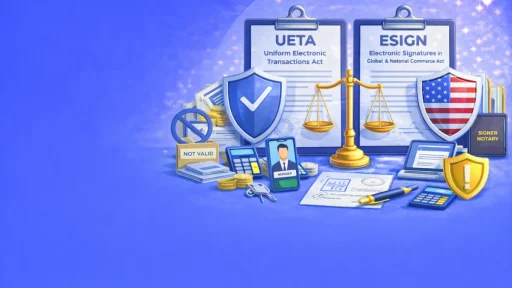
The legal foundation for remote online notarization services rests on state laws that recognize electronic signatures and digital authentication methods. Currently, over 40 states have enacted legislation specifically authorizing remote online notarization, with more states adding legislation each year. These laws establish the technical requirements, security standards, and legal validity that make remote online notarization services equivalent to traditional notarization.
The Technology Behind Remote Online Notarization
Remote online notarization services rely on several interconnected technologies working together. The foundation is a secure, encrypted video conferencing platform that meets specific legal requirements for audio and video quality. This isn’t a standard video call—the technology must capture high-definition video and clear audio while maintaining tamper-evident recordings of the entire session.
Identity verification forms the second critical component. Remote online notarization services use multiple authentication methods, typically including credential analysis of government-issued identification, knowledge-based authentication questions drawn from public records, and biometric verification such as facial recognition technology. This multi-layered approach often provides more robust identity verification than traditional in-person notarization.
Digital signature technology completes the technical framework. Remote online notarization services use Public Key Infrastructure (PKI) to create legally binding electronic signatures. When you sign a document during a remote session, the system creates a unique digital signature that’s cryptographically linked to your identity and the specific document. The notary then applies their digital seal, which includes their electronic signature and notarial certificate.
Legal Framework and Recognition
The legal validity of remote online notarization services stems from carefully crafted state legislation that addresses the unique aspects of digital notarization. These laws typically specify the technology requirements, notary training and commissioning procedures, and record-keeping obligations. Most importantly, they establish that documents notarized through approved remote online notarization services carry the same legal weight as traditionally notarized documents.
Interstate recognition presents one of the most significant advantages of remote online notarization services. Under the principles of comity and full faith and credit, a document properly notarized in one state through remote online notarization services is generally recognized in other states, even if the receiving state doesn’t yet authorize its own remote notarization programs.
Why It Matters: Remote online notarization services aren’t just convenient—they’re often more secure than traditional notarization. The digital audit trail, multi-factor identity verification, and tamper-evident technology create a more robust authentication process than a simple in-person meeting.
How Remote Online Notarization Services Work
Understanding the step-by-step process of remote online notarization services helps demystify the technology and builds confidence in its security and legal validity. The process typically unfolds in several distinct phases, each designed to meet or exceed the security and verification standards of traditional notarization.
Pre-Session Preparation and Document Upload
The remote online notarization process begins before you ever see the notary. You’ll start by uploading your documents to the secure platform provided by the remote online notarization service. This upload process includes several security measures: the documents are encrypted during transmission and storage, and the system creates a cryptographic hash—essentially a digital fingerprint—of each document to detect any subsequent changes.
Most remote online notarization services allow you to schedule your session in advance or connect immediately with an available notary. The scheduling flexibility represents a major advantage over traditional notarization, where you’re limited by the notary’s office hours and availability. Some platforms offer 24/7 service, making it possible to handle urgent document needs at any time.
During the preparation phase, you’ll also gather the required identification documents. Remote online notarization services typically require a government-issued photo ID such as a driver’s license, passport, or state ID card. The quality of your ID matters—the system needs to clearly read the security features and text, so ensure your ID is current and in good condition.
Identity Verification Process
The identity verification phase of remote online notarization services often exceeds the rigor of traditional notarization. The process typically involves three distinct verification methods working in combination to establish your identity with high confidence.
Credential analysis represents the first verification layer. When you hold your ID up to the camera, sophisticated software analyzes the document’s security features, including watermarks, holograms, fonts, and layout patterns. This analysis can detect many types of fraudulent identification that might fool a human notary in a traditional setting.
Knowledge-based authentication (KBA) forms the second verification method. The system generates questions based on your personal history drawn from public records and credit files. These aren’t questions you could easily research—they might ask about previous addresses, loan amounts, or other specific details from your financial history. You typically need to answer 4-5 questions correctly within a time limit.
Biometric verification completes the identity verification process. The system captures your live image during the video session and compares it to the photo on your identification document using facial recognition technology. This comparison happens in real-time and helps ensure that the person presenting the ID is actually the person pictured on it.
Document Signing and Notarization
Once your identity is verified, the actual signing and notarization process begins. The notary will guide you through each document, explaining what you’re signing and answering any questions about the notarization process itself. This interaction maintains the personal element of traditional notarization while leveraging digital technology for enhanced security and convenience.
When you’re ready to sign, you’ll use the platform’s electronic signature tools. This isn’t simply typing your name—remote online notarization services use legally compliant electronic signature technology that creates a unique digital signature tied to your identity and the specific document. The signature process is recorded as part of the video session, providing additional evidence of your intent to sign.
The notary then completes their portion of the process by applying their digital notarial seal. This seal contains the notary’s electronic signature, their commission information, and the notarial certificate appropriate for the type of document being notarized. The digital seal is cryptographically secured and includes timestamps that establish exactly when the notarization occurred.
Pro Tip: The entire remote online notarization session is recorded and stored securely for several years, creating a complete audit trail that’s often more comprehensive than traditional notarization records. This recording can be valuable if questions about the notarization arise later.
Post-Notarization Processing and Delivery
After the notarization is complete, remote online notarization services handle the final processing and delivery of your documents. The platform generates the final notarized documents, which include both your electronic signature and the notary’s digital seal. These documents are typically available for immediate download, though some services also offer physical delivery options.
The security of the final documents matches the security of the entire process. The notarized documents include digital certificates that allow anyone to verify their authenticity and detect any tampering. This verification capability often exceeds what’s possible with traditional paper notarization, where authenticity depends primarily on visual inspection of the notary’s physical seal and signature.
Key Components of Remote Online Notarization Services
Remote online notarization services consist of several interconnected components that work together to create a secure, legally compliant notarization process. Understanding these components helps you evaluate different service providers and ensures you choose a platform that meets your specific needs.
Technology Infrastructure and Security
The technology infrastructure underlying remote online notarization services must meet stringent security and performance requirements. The video conferencing component requires high-definition video capture and clear audio recording, with all communications encrypted using bank-level security protocols. The platform must maintain detailed audit logs of every interaction, creating a comprehensive record that can be reviewed if questions arise about the notarization.
Data storage and protection represent critical aspects of the technology infrastructure. Remote online notarization services must securely store not only the final notarized documents but also the complete video recordings of each session, identity verification records, and audit trails. This data typically remains accessible for 5-10 years, depending on state requirements, and must be protected against unauthorized access, data breaches, and system failures.
The electronic signature technology integrated into remote online notarization services goes beyond simple digital signatures. These platforms use Public Key Infrastructure (PKI) to create cryptographically secure signatures that can be independently verified. Each signature includes metadata about when and how it was created, making it possible to detect any subsequent tampering or unauthorized changes.
Identity Verification Technologies
Modern remote online notarization services employ multiple identity verification technologies to ensure the person signing documents is who they claim to be. Document verification technology analyzes government-issued identification using optical character recognition (OCR) and security feature detection. The system checks for proper fonts, spacing, security features like holograms or watermarks, and other characteristics that distinguish genuine IDs from forgeries.
Knowledge-based authentication draws from extensive databases of personal information to generate questions that only the legitimate identity holder should be able to answer. These questions cover details like previous addresses, loan amounts, property ownership, and other information from credit reports and public records. The sophistication of these questions often exceeds what an identity thief could easily research.
Biometric verification technology has advanced significantly in recent years, making facial recognition a reliable component of remote identity verification. The system compares live video of the person during the session with the photograph on their identification document, using advanced algorithms to account for aging, lighting conditions, and camera quality while detecting attempts to use photographs or videos to fool the system.
Notary Network and Credentialing
The human element remains crucial in remote online notarization services, requiring a network of properly commissioned and trained notaries. These notaries must hold valid commissions in states that authorize remote online notarization and complete specialized training on the technology, legal requirements, and best practices for remote notarization. The training typically covers identity verification procedures, technology operation, record-keeping requirements, and how to handle unusual situations that might arise during remote sessions.
Notary availability and geographic coverage affect the practical utility of remote online notarization services. Leading platforms maintain networks of notaries across multiple time zones, enabling 24/7 service availability. Some services specialize in particular types of documents or industries, maintaining notaries with expertise in real estate transactions, legal documents, or business agreements.
Quality assurance and ongoing training ensure that notaries maintain high standards and stay current with evolving legal requirements and technology updates. Many platforms monitor notary performance through session recordings and customer feedback, providing additional training when needed and maintaining consistent service quality across their network.

Document Management and Storage
Effective document management capabilities distinguish professional-grade remote online notarization services from basic electronic signature platforms. These systems must handle multiple document formats, maintain version control throughout the signing process, and ensure that the final notarized documents preserve all security features and legal requirements.
The document storage infrastructure must provide long-term security and accessibility. Notarized documents and session records typically need to remain accessible for 5-10 years or longer, requiring robust backup systems, disaster recovery procedures, and migration capabilities to handle technology changes over time. Many platforms offer both cloud-based access and local download options, giving users flexibility in how they store and access their notarized documents.
Integration capabilities allow remote online notarization services to work with existing business systems and workflows. Advanced platforms offer APIs that enable integration with document management systems, customer relationship management (CRM) platforms, and industry-specific software used by law firms, real estate agencies, and title companies.
Benefits and Use Cases for Remote Online Notarization Services
Remote online notarization services deliver significant advantages across multiple dimensions, from operational efficiency to enhanced security. These benefits make remote online notarization particularly valuable for businesses and individuals who regularly handle notarized documents or face geographic or time constraints with traditional notarization.
Operational Efficiency and Cost Savings
The time savings offered by remote online notarization services can be substantial. Traditional notarization often requires scheduling appointments, traveling to the notary’s location, and waiting for service during limited business hours. Remote online notarization services eliminate travel time entirely and often provide immediate or same-day service, reducing the time from document preparation to completion from days to minutes.
Cost considerations extend beyond the direct fees for notarization services. When you factor in travel time, lost productivity, and the opportunity cost of delayed document processing, remote online notarization services often provide significant savings. For businesses that regularly require notarization services, these savings can add up to thousands of dollars annually while improving client service and satisfaction.
The scalability of remote online notarization services makes them particularly valuable for organizations with fluctuating notarization needs. During busy periods, you can access additional notary capacity without the constraints of local availability. This scalability proves especially valuable for real estate closings, legal document processing, and seasonal business activities where notarization demand varies significantly.
Key Takeaway: Studies show that organizations using remote online notarization services typically reduce document processing time by 70-80% while maintaining or improving security standards compared to traditional notarization methods.
Enhanced Security and Audit Capabilities
The security features built into remote online notarization services often exceed those available through traditional notarization. Multi-factor identity verification, encrypted communications, and tamper-evident document sealing create multiple layers of protection against fraud and unauthorized access. The comprehensive audit trail includes video recordings, identity verification records, and detailed timestamps that provide evidence of the entire notarization process.
Document integrity protection represents a significant advantage of remote online notarization services. Digital seals and cryptographic signatures make it possible to detect any changes made to documents after notarization, providing stronger evidence of document authenticity than traditional paper-based methods. This protection proves particularly valuable for legal documents, financial agreements, and other high-stakes paperwork where document integrity is crucial.
The permanent nature of digital records eliminates many of the risks associated with traditional notarization. Physical notary seals can be damaged, signatures can fade, and paper documents can be lost or destroyed. Remote online notarization services create permanent digital records that remain accessible and verifiable indefinitely, providing long-term security for important documents.
Geographic Flexibility and Accessibility
Remote online notarization services eliminate geographic barriers that can complicate traditional notarization. International clients, remote workers, and people in areas with limited notary availability can all access professional notarization services regardless of their location. This geographic flexibility proves particularly valuable for real estate transactions involving out-of-state buyers, business agreements between parties in different locations, and legal documents requiring notarization by parties who cannot easily meet in person.
Accessibility benefits extend to people with mobility limitations, disabilities, or health concerns that make travel difficult. Remote online notarization services enable these individuals to handle important legal and financial matters from their homes, improving access to essential services while maintaining full legal compliance and security.
The 24/7 availability offered by many remote online notarization services addresses the timing constraints that often complicate traditional notarization. Urgent legal matters, time-sensitive business agreements, and international transactions that cross time zones can all be handled promptly without waiting for business hours or scheduling conflicts.
Industry-Specific Applications
Real estate transactions represent one of the largest applications for remote online notarization services. Property purchases, refinancing, and other real estate agreements often involve multiple parties in different locations, tight closing deadlines, and substantial paperwork requiring notarization. Remote online notarization services enable these transactions to proceed smoothly without the logistical challenges of coordinating in-person meetings.
Legal services benefit significantly from remote online notarization capabilities. Law firms can serve clients more efficiently, handle urgent matters outside normal business hours, and reduce the administrative burden of coordinating notarization appointments. Estate planning, business formation, and litigation support all become more streamlined with remote online notarization services.
Financial services and lending institutions use remote online notarization services to improve customer experience and operational efficiency. Loan applications, account opening documents, and other financial paperwork can be processed more quickly while maintaining full regulatory compliance and security requirements.
Common Mistakes and Misconceptions About Remote Online Notarization Services
Despite the growing adoption of remote online notarization services, several misconceptions persist that can lead to confusion or missed opportunities. Understanding these common misunderstandings helps ensure you make informed decisions about when and how to use remote online notarization services effectively.
Legal Validity and Recognition Concerns
One of the most persistent misconceptions about remote online notarization services is that they’re somehow less legally valid than traditional notarization. This concern stems from unfamiliarity with the comprehensive legal frameworks that govern remote online notarization. In states that have authorized remote online notarization services, the legal validity is identical to traditional notarization, with the same legal weight and recognition in courts and official proceedings.
Interstate recognition represents another area of confusion. Many people assume that documents notarized through remote online notarization services won’t be accepted in states that don’t yet authorize their own remote notarization programs. However, under established legal principles of interstate comity, properly notarized documents are generally recognized across state lines regardless of the notarization method used, as long as the originating state’s requirements were met.
The misconception that remote online notarization services are “experimental” or “temporary” solutions fails to recognize the substantial legal infrastructure and permanent statutory frameworks that support these services. Remote online notarization isn’t a pandemic-era workaround—it’s a permanent evolution in notarization practices backed by comprehensive legislation and regulatory oversight.
Security and Fraud Protection Misunderstandings
Some people believe that remote online notarization services are inherently less secure than traditional notarization because they don’t involve face-to-face interaction. This misconception overlooks the sophisticated multi-factor authentication and verification technologies used in remote online notarization services. The combination of document analysis, knowledge-based authentication, and biometric verification often provides more robust identity verification than a simple visual inspection during traditional notarization.
The concern that digital documents can be easily altered or forged fails to account for the cryptographic security features built into remote online notarization services. Digital seals and signatures include tamper-evident technology that makes unauthorized changes detectable, often providing stronger fraud protection than traditional paper-based methods where alterations might be difficult to detect.
Another common misconception is that the technology is too complex or unreliable for important legal documents. Modern remote online notarization platforms have matured significantly, with user-friendly interfaces and robust technical infrastructure that often provides more reliable service than trying to coordinate schedules and travel for traditional notarization.
Expert Tip: The fraud detection capabilities of remote online notarization services typically exceed those of traditional notarization. The multi-layered identity verification, comprehensive audit trails, and tamper-evident technology create a more secure environment than relying solely on visual ID inspection.
Technology and Accessibility Assumptions
The assumption that remote online notarization services require advanced technical skills or sophisticated equipment creates unnecessary barriers for many potential users. Most platforms are designed for ease of use, requiring only a computer or mobile device with a camera, microphone, and internet connection. The user interface typically guides you through each step of the process, making it accessible even for people who aren’t particularly tech-savvy.
Concerns about internet connectivity and technical reliability often overestimate the bandwidth and equipment requirements for remote online notarization services. While a stable internet connection is necessary, the requirements are similar to those for video calling services that most people use regularly. Technical support is typically available to help resolve any connectivity or equipment issues that might arise.
The misconception that remote online notarization services are only suitable for simple documents overlooks the sophisticated capabilities of modern platforms. Complex legal documents, multi-party agreements, and documents requiring special notarial acts can all be handled through remote online notarization services, often more efficiently than through traditional methods.
Cost and Value Perception Issues
Some people assume that remote online notarization services are significantly more expensive than traditional notarization, but this perception often fails to account for the total cost of the notarization process. While the direct fees might be comparable or slightly higher, the elimination of travel time, scheduling delays, and lost productivity often makes remote online notarization services more cost-effective overall.
The value proposition of remote online notarization services extends beyond simple cost comparisons to include improved convenience, enhanced security, and better record-keeping. These benefits often justify any premium in direct costs, particularly for businesses that handle multiple notarizations or face time-sensitive document requirements.
Best Practices for Using Remote Online Notarization Services
Maximizing the benefits of remote online notarization services requires understanding best practices for preparation, platform selection, and process management. These practices help ensure smooth sessions, optimal security, and full legal compliance while taking advantage of the convenience and efficiency that remote online notarization services offer.
Preparation and Document Management
Proper preparation forms the foundation of successful remote online notarization sessions. Begin by ensuring all documents are complete and properly formatted before uploading them to the platform. Incomplete documents or those requiring last-minute changes can delay the notarization process and may require rescheduling the session. Review each document carefully to confirm that all required information is present and that you understand what you’re signing.
Organize your identification documents and any supporting materials before starting the session. Ensure your government-issued ID is current, clearly readable, and in good condition. If you’re notarizing documents that reference other materials or require specific information, have those resources readily available during the session. This preparation helps avoid delays and ensures the notary can efficiently complete the verification and notarization process.
Test your technology setup before the scheduled session. Verify that your camera and microphone are working properly, that you have adequate lighting for clear video, and that your internet connection is stable. Many platforms offer technology checks or test sessions that allow you to verify your setup in advance. Taking a few minutes to test your equipment can prevent technical issues that might disrupt the notarization session.
Platform Selection and Evaluation Criteria
Choosing the right remote online notarization service requires evaluating several key factors that affect both the user experience and the legal validity of the notarization. State authorization represents the most fundamental requirement—ensure that the platform is authorized to provide remote online notarization services in the state where the notary is commissioned and that the notarization will be legally recognized where you need to use the documents.
Security features and compliance standards should be thoroughly evaluated when selecting a remote online notarization service. Look for platforms that use bank-level encryption, maintain comprehensive audit trails, and comply with relevant industry standards for data protection and privacy. The identity verification methods should include multiple factors, and the platform should provide clear information about how your personal information and documents are protected.
User experience and customer support capabilities can significantly impact your satisfaction with remote online notarization services. Evaluate the platform’s interface, scheduling flexibility, and availability of customer support. Some platforms offer 24/7 service, while others operate during business hours only. Consider your typical notarization needs and choose a platform that aligns with your scheduling requirements and provides adequate support when you need assistance.
Session Management and Communication
Effective communication during remote online notarization sessions helps ensure smooth processing and addresses any questions or concerns that arise. Be prepared to clearly explain the purpose of the documents being notarized and your relationship to any other parties involved. The notary may ask questions about your understanding of the documents and your reasons for signing them, similar to what might occur during traditional notarization.
Maintain a professional environment during the session, just as you would for an in-person notarization appointment. Choose a quiet location with good lighting and minimal distractions. Dress appropriately and be prepared to focus on the notarization process without interruptions. Remember that the entire session is being recorded, so conduct yourself as you would during any professional business meeting.
Follow the notary’s instructions carefully throughout the session. They will guide you through the identity verification process, explain each document, and direct you through the signing process. Ask questions if anything is unclear, and don’t hesitate to request clarification about any aspect of the process. The notary is there to ensure the notarization is completed properly and legally, so their guidance helps protect your interests.
Pro Tip: Keep a backup plan for technical issues. Have a phone number available for audio backup if video fails, and consider having the session from a location with reliable internet. Some platforms offer mobile apps that can provide better connectivity than desktop computers in certain situations.
Record Keeping and Follow-Up
Maintain organized records of your remote online notarization sessions, including copies of all notarized documents, confirmation emails, and any reference numbers provided by the platform. These records can be valuable for future reference and may be necessary if questions arise about the notarization. Most platforms provide immediate access to completed documents, but downloading and storing your own copies ensures you have access regardless of any platform changes or technical issues.
Verify the completed documents immediately after the session to ensure all signatures, seals, and notarial certificates are properly applied and clearly visible. Check that the notary’s information is complete and accurate, including their commission number, expiration date, and the state of their commission. If you notice any issues with the completed documents, contact the platform’s customer support immediately to address the problems.
Plan for document distribution and filing based on your specific needs. Some organizations or agencies may have specific requirements for how notarized documents are submitted or filed. Understand these requirements in advance and ensure that the format and security features of your remotely notarized documents meet all necessary specifications.
Common Questions About Remote Online Notarization Services
Are documents notarized through remote online notarization services legally valid everywhere?
Documents properly notarized through authorized remote online notarization services carry full legal validity in the state where the notarization occurs and are generally recognized in other states under principles of interstate comity. However, some specific applications or jurisdictions may have particular requirements or restrictions. For example, certain real estate transactions, court filings, or international document uses may have specific notarization requirements that you should verify in advance.
The key to ensuring broad acceptance is using a properly authorized remote online notarization service and ensuring the notary holds a valid commission in a state that has enacted comprehensive remote online notarization legislation. Over 40 states have now authorized remote online notarization services, and this number continues to grow as more states recognize the benefits and security of these services.
If you’re uncertain about whether remote online notarization will be accepted for your specific use case, consult with the organization or agency that will receive the documents, or seek advice from a qualified attorney familiar with the relevant legal requirements.
How secure are remote online notarization services compared to traditional notarization?
Remote online notarization services typically provide enhanced security compared to traditional notarization through multiple layers of protection. The multi-factor identity verification process often exceeds the simple visual ID check performed in traditional notarization, using document analysis, knowledge-based authentication, and biometric verification to confirm the signer’s identity with high confidence.
The comprehensive audit trail created during remote online notarization includes video recordings of the entire session, detailed logs of all verification steps, and tamper-evident digital seals that make any subsequent document changes detectable. This level of documentation and security often surpasses what’s available through traditional notarization, where the only record might be a brief entry in the notary’s journal.
Encryption and data protection measures used by reputable remote online notarization services meet or exceed banking industry standards, protecting your personal information and documents throughout the process and during long-term storage. The digital nature of the records also eliminates risks associated with physical document storage, such as damage, loss, or unauthorized access to paper files.
What types of documents can be notarized through remote online notarization services?
Most types of documents that can be traditionally notarized are also eligible for remote online notarization services, including contracts, affidavits, powers of attorney, loan documents, real estate agreements, and business formation papers. The specific types of notarial acts available may vary by state and platform, but typically include acknowledgments, jurats, and other common notarization types.
Some documents may have specific restrictions or requirements that affect their eligibility for remote online notarization. Wills, certain real estate deeds, and some court documents may have particular requirements that vary by jurisdiction. Additionally, some organizations or agencies may have internal policies about accepting remotely notarized documents, even when they’re legally valid.
Before proceeding with remote online notarization for sensitive or complex documents, verify that the specific document type is eligible for remote notarization in the relevant jurisdiction and that the intended recipient will accept remotely notarized documents. Most remote online notarization platforms provide guidance on document eligibility and can help determine the appropriate notarial act for your specific needs.
How much do remote online notarization services typically cost?
The cost of remote online notarization services varies by platform and location but typically ranges from $15 to $50 per notarization, which is often comparable to or slightly higher than traditional notary fees. However, the total cost comparison should include factors like travel time, scheduling delays, and lost productivity that are eliminated with remote online notarization services.
Many platforms offer volume discounts for businesses or individuals who require frequent notarization services. Some services charge per document, while others charge per session regardless of the number of documents notarized during that session. Additional services like expedited processing, physical document delivery, or integration with business systems may incur additional fees.
When evaluating costs, consider the value of the enhanced security features, comprehensive audit trails, and convenience factors that remote online notarization services provide. For many users, these benefits justify any premium over traditional notarization fees, particularly when factoring in the time and cost savings from eliminated travel and scheduling constraints.
What happens if there are technical problems during a remote online notarization session?
Reputable remote online notarization platforms have procedures and backup systems in place to handle technical issues that might arise during sessions. Most platforms provide technical support during business hours and have troubleshooting guides to help resolve common connectivity or equipment problems. If technical issues prevent completion of the session, most services will reschedule at no additional charge.
Common technical issues include internet connectivity problems, camera or microphone malfunctions, and software compatibility issues. Many platforms offer mobile app alternatives if desktop access fails, and some provide phone backup for audio if video connection is lost. The platforms typically test your connection before starting the session and can often identify and resolve technical issues before they disrupt the notarization process.
If a session cannot be completed due to technical problems, the platform should provide clear information about rescheduling options and any steps needed to resolve the technical issues. Some platforms offer technology support calls to help set up your equipment properly before rescheduling the session.
Can multiple people sign the same document during a remote online notarization session?
Yes, multiple signers can participate in the same remote online notarization session, though the specific procedures vary by platform and may depend on state regulations. Each signer must complete their own identity verification process, and the notary must verify each person’s identity and witness each signature individually, even if they’re participating in the same session.
The logistics of multi-party remote online notarization can be more complex than single-signer sessions, requiring coordination of schedules and ensuring all parties have proper technology setup. Some platforms allow all parties to join the same video session simultaneously, while others may require separate sessions for each signer with the same document.
When multiple signatures are required, it’s important to plan the session carefully and confirm that all parties understand the process and timing requirements. The notary will guide the process to ensure each signer’s requirements are met individually while maintaining the integrity and legal validity of the overall notarization.

Conclusion
Remote online notarization services have transformed document authentication from a time-consuming, location-dependent process into a convenient, secure, and efficient digital experience. The combination of advanced identity verification, comprehensive audit trails, and legal frameworks supporting interstate recognition makes remote online notarization services a powerful solution for individuals and businesses seeking reliable document notarization.
Whether you’re managing real estate transactions, processing legal documents, or handling business agreements, remote online notarization services offer the flexibility and security needed in today’s digital-first world. Get started with BlueNotary to experience the convenience and reliability of professional remote online notarization services. Ready to get started? Visit BlueNotary to learn more.