


Understanding real estate notary is essential for law firms and title agents. Whether you’re navigating complex transactions or ensuring legal compliance, getting it right matters. This guide will cover everything you need to know about real estate notary, focusing specifically on how to notarize online notary documents. By the end, you’ll understand the key components, benefits, and common misconceptions of real estate notaries in the digital age.
What Is Real Estate Notary?
A real estate notary is a licensed public official who verifies the authenticity of signatures on real estate documents, ensuring they’re legally binding. SEO Tools. notaries and. notaries and. estate document. In today’s digital world, this process is evolving with the introduction of online notarization, allowing documents to be notarized remotely via digital platforms like BlueNotary.
Key Insight: Real estate notaries play a crucial role in preventing fraud and ensuring the integrity of real estate transactions.

(https://bluenotaryonline.com/ebook-notary/) a real estate document online]
The Evolution of Notarization
Traditionally, notarization required physical presence, but with advancements in technology, digital notaries and digital notarization have emerged. Learn more about drug rehab marketing. This evolution enables law firms and title agents to notarize documents online, offering a more efficient and flexible process.
Why It Matters: The shift to online notarization reflects the industry’s need for speed and accessibility in today’s fast-paced, digital world.
How Real Estate Notary Works
When it comes to notarizing real estate documents online, the process involves several key steps that ensure the document’s legality and authenticity.
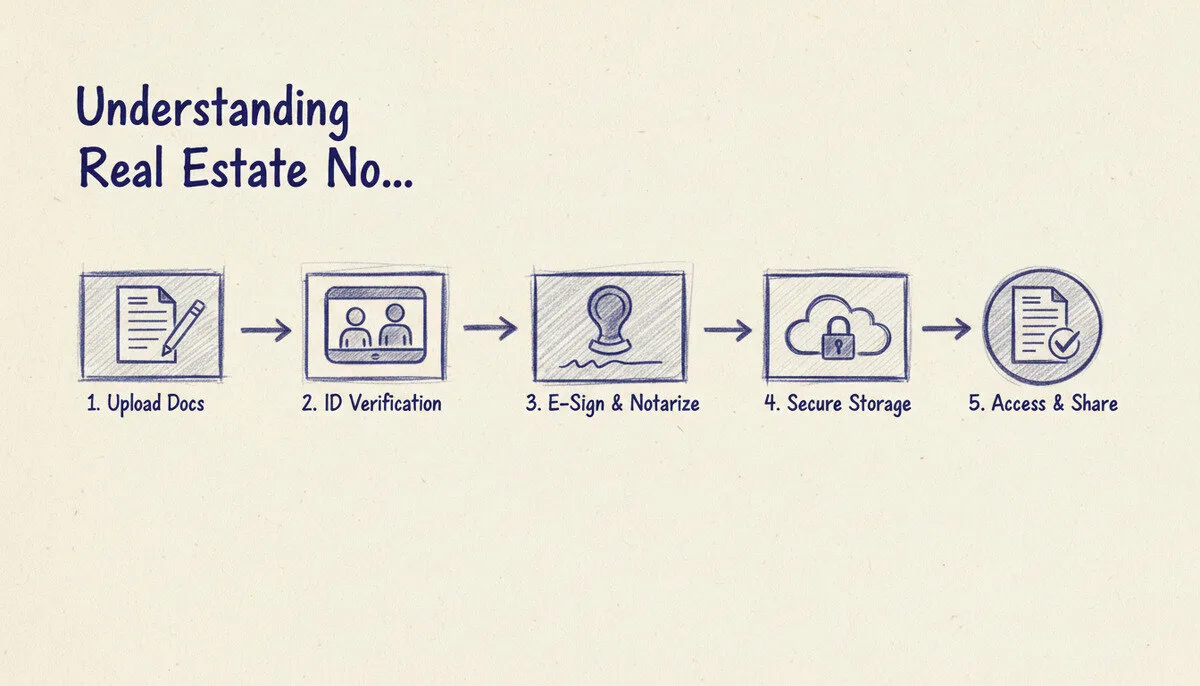
The Online Notarization Process
- Document Preparation: Gather all necessary documents that require notarization.
- Identity Verification: The signer must verify their identity through a secure process, often involving government-issued ID and biometric checks.
- Digital Session: Using a platform like BlueNotary, the signer and notary connect via a secure video call.
- Signature and Seal: The notary witnesses the signature, applies a digital seal, and records the session for future reference.
- Completion: The notarized document is saved digitally and can be accessed by both parties.
Pro Tip: Always ensure your internet connection is stable during the notarization process to avoid disruptions.
Key Components of Real Estate Notary
Understanding the components of online real estate notarization is crucial for effective implementation.
- Identification Verification: A critical step to prevent fraud, often involving advanced technologies like facial recognition.
- Digital Signatures: Legally binding signatures that replace traditional ink signatures.
- Secure Video Conferencing: A digital meeting between the notary and the signer to ensure the authenticity of the signing process.
- Digital Seal: An electronic version of the traditional notary seal, providing evidence of notarization.
Why It Matters: Each component ensures the integrity and legality of the notarization process, crucial for legal compliance.
Benefits and Use Cases
Online notarization offers numerous benefits and is applicable in various scenarios.
Benefits
- Convenience: Notarize documents from anywhere, reducing the need for physical travel.
- Efficiency: Faster processing times compared to traditional methods.
- Security: Advanced security measures protect against fraud and unauthorized access.
Use Cases
- Real Estate Transactions: Simplifies the process for buying and selling properties, especially in remote or international deals.
- Legal Agreements: Facilitates the notarization of contracts and agreements quickly and securely.
- Estate Planning: Enables the notarization of wills and trusts without the need for physical presence.
Key Takeaway: Online notarization is particularly beneficial for complex transactions that involve multiple parties across different locations.
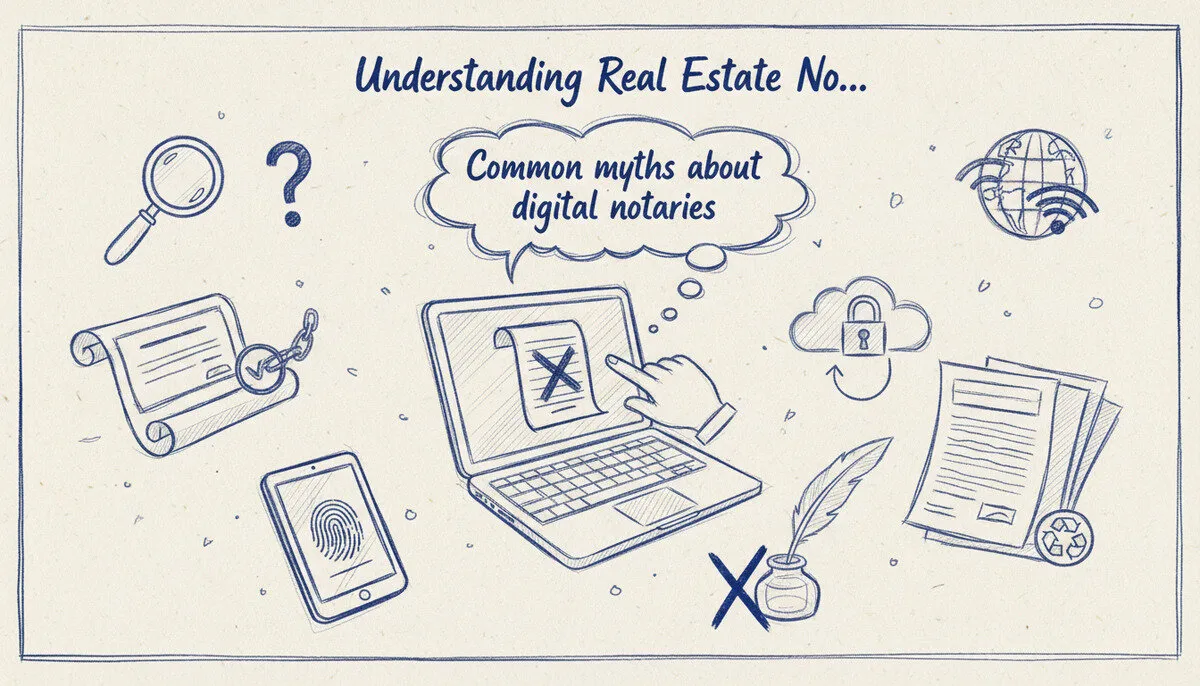
Common Misconceptions About Real Estate Notary
Despite its advantages, several misconceptions persist about online notarization.
- Misconception 1: Online notarization is less secure than traditional methods.
Reality: With advanced encryption and secure identity verification processes, online notarization is highly secure.
- Misconception 2: It’s not legally recognized everywhere.
Reality: Many states, including the majority of the U.S., legally recognize online notarization.
- Misconception 3: It requires advanced technical skills.
Reality: Platforms like BlueNotary are user-friendly and designed for easy use by individuals with basic tech skills.
Common Questions About Real Estate Notary
What is the role of a notary in real estate transactions?
A real estate notary verifies signatures, ensures the voluntary nature of the signing, and helps prevent fraud, making the transaction legally binding.
How does online notarization differ from traditional notarization?
Online notarization allows for remote verification through digital platforms, eliminating the need for physical presence while maintaining legal validity.
Are online notarizations legally binding?
Yes, online notarizations are legally binding in many jurisdictions, provided they comply with local laws and regulations.
Can all real estate documents be notarized online?
Most real estate documents can be notarized online, but it’s essential to verify the specific requirements of your jurisdiction.
How do I choose a reliable online notary service?
Look for platforms like BlueNotary that offer secure, user-friendly interfaces with robust identity verification processes.
Conclusion
Real estate notarization is evolving, and understanding how to notarize online notary documents is crucial for law firms and title agents. The process is efficient, secure, and legally recognized, making it an invaluable tool in today’s digital landscape. Ready to get started? Get Started with BlueNotary to learn more.