






Ever needed to get an important document notarized but couldn’t find the time to visit a notary office? Maybe you’re dealing with a time-sensitive real estate transaction, or perhaps you need to finalize a power of attorney for an elderly parent who can’t travel. Online notary platforms have revolutionized how we handle document notarization, transforming what used to be a cumbersome, in-person process into something you can complete from your kitchen table.
An online notary platform is a secure digital service that enables remote online notarization (RON) through video conferencing technology. Free vs Paid Temp Numbers: These platforms connect signers with commissioned notaries via encrypted video sessions, allowing documents to be notarized legally without anyone leaving their location. The entire process—from identity verification to document signing and notarial certification—happens digitally while maintaining the same legal validity as traditional in-person notarization.
What makes these platforms particularly powerful is their ability to serve multiple industries simultaneously. Law firms use them for client intake and contract execution, real estate agents rely on them for closing documents and purchase agreements, and title companies leverage them to streamline property transactions. The technology combines advanced security measures like multi-factor authentication, digital certificates, and tamper-evident seals with the convenience of 24/7 availability.

(https://bluenotary.us/document-management-system-importance/) showing laptop with video call interface and digital documents]
What Is an Online Notary Platform?
The Digital Evolution of Notarization
An online notary platform represents the digital transformation of a centuries-old legal process. Traditional notarization required three elements: the physical presence of all parties, a commissioned notary public, and paper documents. Online notary platforms maintain these essential elements while moving the entire process into a secure digital environment.
The platform serves as the technological infrastructure that makes remote online notarization possible. It’s not just a video calling service—it’s a comprehensive ecosystem that includes identity verification systems, document management tools, digital signature capabilities, and secure storage solutions. Think of it as a virtual notary office that’s available around the clock, equipped with all the tools necessary to conduct legally binding notarizations.
Key Insight: Online notary platforms don’t replace the notary—they enhance their capabilities. The notary public remains the human element who verifies identities, witnesses signatures, and applies their official seal.
Core Components of the Technology
Every online notary platform operates on several foundational technologies working in harmony. The video conferencing component uses encrypted, high-definition streams that allow notaries to observe signers in real-time, ensuring they can verify identity and witness the signing process. This isn’t a standard video call—the platforms use specialized software designed specifically for legal proceedings.
The identity verification system represents perhaps the most sophisticated aspect of these platforms. Multi-layered authentication processes typically include credential analysis (examining government-issued IDs for security features), knowledge-based authentication (asking questions derived from public records), and often biometric verification like facial recognition. These systems must meet stringent legal standards while remaining user-friendly.
Document management capabilities allow users to upload, review, and sign documents within the platform. The system maintains document integrity through cryptographic hashing, ensuring that any tampering becomes immediately detectable. Digital signature technology, often based on Public Key Infrastructure (PKI), creates legally binding signatures that are actually more secure than traditional handwritten signatures.
Legal Framework and Compliance
The legal foundation for online notary platforms rests on state-by-state legislation that authorizes remote online notarization. Currently, over 45 states plus the District of Columbia have enacted RON laws, each with specific requirements that platforms must meet. These laws don’t just permit online notarization—they establish detailed standards for technology, security, and record-keeping.
Platforms must comply with various regulatory frameworks depending on their scope of operation. The Electronic Signatures in Global and National Commerce Act (E-SIGN) and the Uniform Electronic Transactions Act (UETA) provide federal and state-level foundations for electronic signatures. Additionally, platforms serving specific industries must meet sector-specific regulations—for example, those handling real estate transactions must comply with various state real estate commission requirements.
Why It Matters: Compliance isn’t just about following rules—it’s about ensuring that documents notarized through these platforms will be accepted by courts, government agencies, and other institutions that require notarized documents.
How Online Notary Platforms Work
The Complete Notarization Workflow
The online notarization process follows a carefully orchestrated sequence designed to meet legal requirements while maintaining user convenience. The journey begins when a signer uploads their document to the platform and schedules a notarization session. The platform’s system immediately begins document analysis, checking for completeness and identifying where signatures and notarial certificates will be placed.
Before the notarization session begins, the platform conducts pre-session verification. This includes confirming the signer’s identity through document analysis and knowledge-based authentication questions. The system also verifies that the notary is properly commissioned and authorized to perform notarizations in the required jurisdiction.
During the live session, the notary and signer connect via encrypted video conference. The notary guides the signer through the process, verifying their identity one final time and ensuring they understand the document they’re signing. The actual signing happens within the platform using digital signature technology, and the notary applies their digital seal and certificate to complete the notarization.
Identity Verification Process
The identity verification process represents the most critical security component of online notarization. Modern platforms employ what’s known as multi-factor authentication, combining several verification methods to achieve a level of certainty that meets or exceeds traditional in-person verification.
Credential analysis forms the first layer of verification. When signers upload photos of their government-issued ID, sophisticated software examines security features like watermarks, holograms, and font characteristics. The system compares these features against databases of known authentic documents, flagging any inconsistencies for human review.
Knowledge-Based Authentication (KBA) provides the second verification layer. The platform generates questions based on the signer’s personal history, drawn from public records and credit reporting agencies. These aren’t simple questions—they’re designed to be answerable only by the genuine person, covering details like previous addresses, loan amounts, or family member names.
Biometric verification adds a third layer through facial recognition technology. The system compares a live selfie or video capture with the photo on the uploaded ID, using advanced algorithms to account for aging, lighting differences, and normal appearance variations while detecting sophisticated spoofing attempts.
Pro Tip: The combination of these three verification methods creates what security experts call “multi-modal authentication,” making identity fraud extremely difficult while keeping the process user-friendly.
Document Security and Integrity
Once documents enter an online notary platform, multiple security measures protect their integrity throughout the notarization process. Cryptographic hashing creates a unique digital fingerprint for each document, making any alteration immediately detectable. This hash value gets recorded at multiple points during the process, creating an audit trail that can verify the document hasn’t been tampered with.
Encryption protects documents both in transit and at rest. When documents travel between the user’s device and the platform’s servers, they’re protected by bank-grade encryption protocols. The same level of protection applies to stored documents, ensuring that even if someone gained unauthorized access to the servers, the documents would remain unreadable.
The digital notarial certificate represents the final security element. This certificate contains encrypted information about the notary, the notarization event, and the document being notarized. It’s cryptographically signed by the notary’s digital certificate, creating a tamper-evident seal that validates the entire transaction.
Technology Infrastructure Requirements
Online notary platforms require robust technological infrastructure to handle the demands of legal document processing. High-availability server architecture ensures the platform remains accessible when users need urgent notarizations. Redundant systems and failover capabilities prevent service interruptions that could delay time-sensitive transactions.
The platforms must maintain detailed audit logs of every action taken during the notarization process. These logs capture everything from login attempts to document modifications, creating a comprehensive record that can be reviewed if questions arise about the notarization’s validity.
Data centers hosting these platforms typically maintain multiple certifications, including SOC 2 compliance for security controls and often HIPAA compliance for handling sensitive personal information. Geographic distribution of servers ensures fast response times regardless of user location while providing disaster recovery capabilities.
Key Components of Online Notary Platforms
Identity Verification Systems
The identity verification system serves as the cornerstone of any legitimate online notary platform. These systems must balance stringent security requirements with user experience, creating a process that’s both thorough and accessible. Modern verification systems use layered approaches that combine multiple authentication factors to achieve confidence levels that meet or exceed traditional in-person verification.
Document authentication technology represents the most visible component of identity verification. When users upload photos of their government-issued identification, advanced optical character recognition (OCR) and machine learning algorithms analyze dozens of security features. The system examines watermarks, microprinting, holographic elements, and even the specific fonts used by different issuing authorities.
Real-Time Database Verification cross-references extracted information against authoritative databases. This includes checking with the issuing authority to verify the document’s authenticity and ensuring it hasn’t been reported lost or stolen. The system also validates that the document type is appropriate for the specific notarization requirements.
Behavioral analytics add another layer by monitoring how users interact with the verification process. Legitimate users follow predictable patterns when photographing their IDs or answering questions, while fraudulent attempts often exhibit telltale behavioral signatures that trigger additional security measures.
Expert Tip: The most sophisticated platforms use machine learning models trained on millions of authentic documents, allowing them to detect even high-quality counterfeit IDs that might fool human examination.
Video Conferencing and Recording Infrastructure
The video conferencing component of online notary platforms goes far beyond standard video calling applications. These systems must meet specific legal requirements while providing clear audio and video quality necessary for proper identity verification and document witnessing.
High-Definition Video Streaming ensures notaries can clearly observe signers and examine identification documents during the session. The platform automatically adjusts video quality based on connection speeds while maintaining minimum resolution standards required by law. Multiple camera angles may be supported to provide comprehensive views of the signing process.
Encrypted communication channels protect the privacy of all communications during notarization sessions. End-to-end encryption prevents unauthorized interception of video, audio, or chat communications, maintaining confidentiality requirements that often apply to legal documents.
Session Recording and Storage capabilities create permanent records of notarization sessions as required by law in most jurisdictions. These recordings serve as evidence of proper procedure compliance and can be retrieved if questions arise about the notarization’s validity. Storage systems must maintain these records for periods specified by state law, often 5-10 years.
Digital Signature Technology
Digital signature implementation in online notary platforms employs Public Key Infrastructure (PKI) technology to create legally binding signatures that are cryptographically verifiable. This technology provides stronger security than traditional handwritten signatures while enabling instant verification of signature authenticity.
Certificate-Based Signatures use digital certificates issued by trusted Certificate Authorities to create unique signature credentials for each user. These certificates contain encrypted information that proves the signer’s identity and ensures the signature can’t be forged or transferred to another person.
Timestamp services create legally defensible records of exactly when signatures were applied to documents. These timestamps use atomic clock precision and are cryptographically sealed to prevent alteration, providing crucial evidence for legal proceedings that might question signature timing.
Non-Repudiation Features prevent signers from later claiming they didn’t sign a document. The combination of identity verification, digital certificates, and encrypted signatures creates an evidence trail that makes false denial extremely difficult to sustain in legal proceedings.
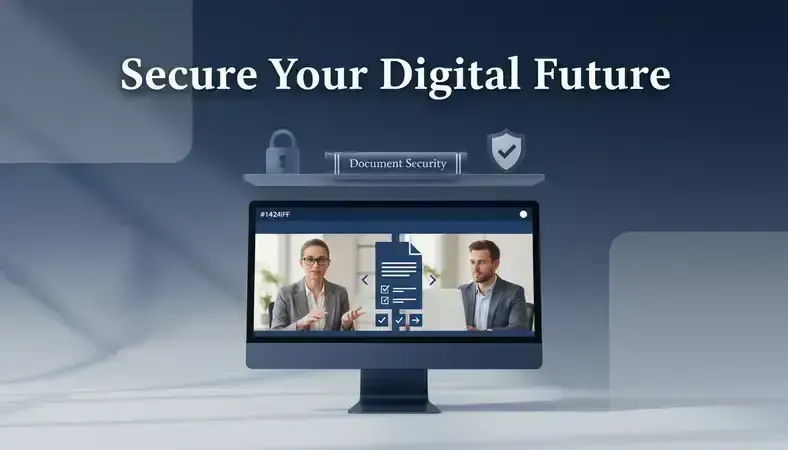
Document Management and Storage
Comprehensive document management systems handle the entire lifecycle of documents within online notary platforms. These systems must maintain document integrity while providing convenient access and ensuring compliance with various retention requirements.
Version control systems track every modification made to documents during the notarization process. Each change creates a new version with timestamps and user identification, allowing complete reconstruction of the document’s history. This capability proves crucial when legal challenges arise about document authenticity or modification.
Secure cloud storage protects completed documents using enterprise-grade security measures. Documents are encrypted using advanced encryption standards and stored across multiple geographic locations to ensure availability and disaster recovery. Access controls ensure only authorized parties can retrieve specific documents.
Integration capabilities allow platforms to connect with other business systems used by law firms, real estate agencies, and title companies. APIs enable seamless transfer of documents to case management systems, closing platforms, or client portals without compromising security or requiring manual document handling.
Benefits and Use Cases for Different Industries
Law Firms and Legal Practice Enhancement
Law firms have discovered that online notary platforms dramatically improve client service while reducing operational overhead. Traditional notarization often created bottlenecks in legal processes, requiring clients to visit offices during business hours or delaying document execution while arranging notary services. Online platforms eliminate these constraints, enabling 24/7 document processing that matches the urgency of legal matters.
Client intake optimization represents one of the most significant benefits for law firms. New clients can complete intake forms, sign retainer agreements, and execute powers of attorney without scheduling office visits. This capability proves particularly valuable for personal injury firms, estate planning practices, and family law attorneys who often work with clients facing time-sensitive situations.
Remote client services have become essential for firms serving clients across wide geographic areas. Immigration attorneys can serve clients nationwide, estate planning lawyers can assist elderly clients who have difficulty traveling, and business attorneys can handle corporate transactions involving parties in multiple states. The platform eliminates geographic limitations while maintaining full legal compliance.
Document Security and Compliance features address law firms’ stringent confidentiality requirements. Attorney-client privilege extends to online notarization sessions, with encryption and access controls ensuring sensitive information remains protected. Audit trails provide evidence of proper handling for professional liability and regulatory compliance purposes.
Why It Matters: For law firms using BlueNotary, the platform’s integration capabilities allow seamless connection with existing practice management systems, eliminating duplicate data entry and ensuring consistent client records.
Real Estate Transaction Transformation
Real estate transactions have been revolutionized by online notary platforms, addressing one of the industry’s most persistent pain points: coordinating multiple parties for document signing. Traditional real estate closings often required extensive scheduling coordination, with delays common when parties couldn’t physically meet at the same location.
Purchase agreement execution can now happen immediately when buyers and sellers reach agreement, regardless of their locations. Real estate agents can facilitate contract signing within hours rather than days, reducing the risk of deals falling through due to delayed paperwork. This speed advantage often proves decisive in competitive markets where quick contract execution matters.
Closing process streamlining benefits all parties involved in real estate transactions. Buyers can complete their portion of closing documents from their current location, sellers can sign from their new city, and all parties can participate in the closing process without geographic constraints. This flexibility has proven especially valuable for relocations and investment property transactions.
Title and Escrow Integration allows title companies to offer enhanced services to their clients. Documents can be notarized and recorded the same day, accelerating the entire closing timeline. The integration between online notary platforms and title company systems enables real-time status updates and immediate document availability for recording purposes.
Title Company Operational Efficiency
Title companies have found online notary platforms particularly beneficial for managing high-volume document processing while maintaining accuracy and compliance standards. The traditional model of coordinating in-person signings created operational bottlenecks that limited transaction volume and increased processing costs.
Volume processing capabilities enable title companies to handle more transactions with existing staff. Instead of scheduling and coordinating multiple in-person appointments, staff can facilitate online notarizations throughout the day, dramatically increasing throughput. This efficiency gain translates directly into improved profitability and client satisfaction.
Geographic service expansion allows title companies to serve clients beyond their immediate physical area. Companies can handle transactions involving properties in multiple states, serve relocating clients, and accommodate investment property purchases without requiring physical presence. This expansion capability creates new revenue opportunities while serving existing clients more comprehensively.
Integration with Closing Platforms streamlines the entire closing process. Documents flow seamlessly from preparation through notarization to recording, with automated status updates keeping all parties informed. The integration eliminates manual document handling and reduces the risk of errors that could delay closings.
Key Takeaway: Title companies using online notary platforms report average closing time reductions of 3-5 days, with some transactions completing in a single day when all parties are prepared.
Cross-Industry Applications
Beyond the primary industries of law, real estate, and title services, online notary platforms serve numerous other sectors with specific notarization needs. Healthcare organizations use them for patient consent forms and medical directives, financial institutions leverage them for loan documents and account opening procedures, and government agencies utilize them for various administrative processes.
Healthcare documentation benefits from the platforms’ ability to handle sensitive personal information while maintaining HIPAA compliance. Patients can execute advance directives, consent to treatment, and complete insurance forms without visiting healthcare facilities. This capability proved particularly valuable during the COVID-19 pandemic and continues to benefit patients with mobility limitations.
Financial services applications include loan origination, account opening, and investment document execution. Banks and credit unions can serve customers across their entire service area without requiring branch visits, while investment firms can facilitate account opening and document updates for clients regardless of location.
Corporate and Business Use encompasses partnership agreements, corporate resolutions, vendor contracts, and employment documents. Businesses can execute time-sensitive agreements immediately, facilitate remote employee onboarding, and handle vendor relationships across geographic boundaries without coordination delays.
Common Misconceptions About Online Notary Platforms
“Online Notarization Isn’t Legally Valid”
One of the most persistent misconceptions about online notary platforms stems from confusion about their legal status. Many people assume that because the process happens remotely, it somehow carries less legal weight than traditional in-person notarization. This misconception often arises from unfamiliarity with the extensive legal framework that governs remote online notarization.
The reality is that documents notarized through approved online platforms carry the same legal validity as those notarized in person. The Uniform Law Commission has developed model legislation for remote online notarization, and most states have adopted comprehensive laws that specifically authorize and regulate these platforms. These laws don’t create a “lesser” form of notarization—they establish equivalent standards using different methods.
Interstate recognition further validates online notarization. The Full Faith and Credit Clause of the U.S. Constitution requires states to recognize legal acts performed in other states, including notarizations. A document notarized online in Texas must be accepted in California, New York, or any other state, just as traditional notarizations are accepted across state lines.
Court acceptance has been consistently demonstrated through numerous legal proceedings where online-notarized documents have been admitted as evidence. Courts have recognized that the enhanced security measures used by online platforms—including detailed audit trails, video recordings, and cryptographic signatures—often provide stronger evidence of authenticity than traditional notarizations.
Pro Tip: When questions arise about legal validity, reference the specific state statutes that authorize remote online notarization. These laws explicitly establish the legal equivalence of online and in-person notarization.
“The Technology Isn’t Secure Enough”
Security concerns represent another major misconception about online notary platforms. Some people worry that conducting notarizations over the internet exposes documents and personal information to cyber threats. This concern often stems from comparing online notarization to standard video conferencing or email, rather than understanding the specialized security measures these platforms employ.
Enhanced security measures used by legitimate online notary platforms actually exceed the security of traditional notarization in many ways. Traditional notarization relies primarily on the notary’s ability to verify identity through visual inspection of identification documents—a process that can be fooled by high-quality fake IDs. Online platforms combine visual verification with database checks, knowledge-based authentication, and biometric verification.
Encryption and Data Protection ensure that sensitive information remains protected throughout the notarization process. Bank-grade encryption protects all communications and document transfers, while secure cloud storage maintains document confidentiality long-term. These security measures far exceed the protection available in traditional notarization, where documents might be handled, copied, or stored without encryption.
Audit Trails and Evidence created by online platforms provide comprehensive records of every action taken during the notarization process. Traditional notarizations typically leave minimal evidence beyond the notary’s signature and seal, making it difficult to investigate questions about the process. Online platforms create detailed logs, video recordings, and cryptographic evidence that can definitively prove or disprove claims about the notarization.
“Online Platforms Are Too Complicated”
Many potential users avoid online notary platforms because they assume the technology will be difficult to use or require specialized technical knowledge. This misconception often prevents people from experiencing the convenience these platforms offer, particularly among older adults who might benefit significantly from remote notarization services.
User-Friendly Design has been a primary focus for online notary platform developers. Most platforms guide users through the process with step-by-step instructions, visual cues, and support resources. The typical user experience involves uploading a document, verifying identity, and joining a video session—steps that most people can complete using basic computer skills.
Technical support is readily available from reputable platforms to assist users who encounter difficulties. Many platforms offer live chat support, phone assistance, and detailed help documentation to ensure users can complete their notarizations successfully. Support staff are trained to help with both technical issues and questions about the notarization process itself.
Device flexibility allows users to complete notarizations using smartphones, tablets, or computers. Modern platforms work with standard web browsers and don’t require special software installation. This flexibility means users can complete notarizations using devices they’re already comfortable with, rather than learning new technology.
Expert Tip: Most users complete their first online notarization in less time than it would take to travel to a notary office, even accounting for the learning curve of using the platform for the first time.
“It’s More Expensive Than Traditional Notarization”
Cost concerns often deter potential users from trying online notary platforms. Some people assume that the technology and convenience must come at a premium price compared to traditional notarization services. This misconception fails to account for the total cost of notarization, including time, travel, and opportunity costs.
Transparent pricing from reputable online notary platforms often compares favorably to traditional notarization when all costs are considered. While the per-notarization fee might be slightly higher than a basic notary service, users save money on travel, parking, and time away from work. For business users, the ability to complete notarizations immediately often provides significant economic value.
Time value considerations make online notarization economically attractive for most users. The average traditional notarization requires 30-60 minutes of total time when including travel, waiting, and the notarization process itself. Online notarization typically takes 10-15 minutes from start to finish, representing substantial time savings that often exceed any price difference.
Volume Discounts and Business Plans are available from most platforms for users who need regular notarization services. Law firms, real estate agencies, and title companies can often negotiate favorable pricing that makes online notarization significantly more cost-effective than traditional services for high-volume users.
Best Practices for Using Online Notary Platforms
Preparation and Document Management
Successful online notarization begins with proper preparation, much like traditional notarization but with some unique considerations for the digital environment. The key difference lies in ensuring that both technology and documents are ready before the scheduled session begins.
Document preparation should start with reviewing the document for completeness and accuracy. Unlike traditional notarization where minor corrections might be made during the appointment, online notarization works best when documents are finalized before the session. Ensure all fields are completed, any required witness signatures are obtained, and the document is in a format compatible with the platform.
Technology setup requires testing your equipment before the notarization appointment. Verify that your camera and microphone work properly, test your internet connection speed, and ensure you’re in a location with good lighting and minimal background noise. Most platforms provide technical check tools that allow you to test these elements in advance.
Identity document preparation involves having your government-issued ID ready and ensuring it’s clearly legible. Clean the ID if necessary, check that it hasn’t expired, and have it positioned where you can easily hold it up to the camera during verification. Some platforms allow you to upload ID photos in advance, which can streamline the session.
Pro Tip: Schedule your online notarization during times when you’re least likely to be interrupted. Unlike in-person appointments where rescheduling might take days, online sessions can often be rescheduled quickly, but completing the session without interruption provides the best experience.
Security and Privacy Considerations
Maintaining security and privacy during online notarization requires attention to both digital and physical security measures. While the platform handles most technical security automatically, users play a crucial role in protecting their information and ensuring session integrity.
Physical environment security means choosing a private location for your notarization session. Avoid public spaces, shared workspaces, or areas where others might overhear confidential information. The notary needs to verify that you’re signing voluntarily and without coercion, which requires a controlled environment where you can speak freely.
Network security involves using secure internet connections for notarization sessions. Avoid public Wi-Fi networks when possible, as they may be monitored or compromised. If you must use public Wi-Fi, consider using a VPN service to encrypt your connection. Most platforms recommend minimum connection speeds to ensure clear video and audio quality throughout the session.
Document handling requires careful attention to digital file security. Only upload documents to verified, legitimate online notary platforms, and ensure you download and securely store completed documents after the session. Delete any copies from shared or public computers, and use password protection for sensitive documents when storing them locally.
Choosing the Right Platform
Selecting an appropriate online notary platform requires evaluating several factors beyond just price and convenience. The choice of platform can affect the legal validity of your notarization, the security of your documents, and the overall experience quality.
Regulatory compliance should be your first consideration when evaluating platforms. Verify that the platform is authorized to operate in the state where the notarization will take place, and confirm that their notaries are properly commissioned and trained. Check whether the platform maintains required insurance coverage and meets state-specific technology requirements.
Security certifications indicate the platform’s commitment to protecting user data and documents. Look for platforms that maintain SOC 2 compliance, use bank-grade encryption, and follow industry best practices for data protection. Platforms serving specific industries may need additional certifications—for example, those handling healthcare documents should be HIPAA compliant.
Integration capabilities matter for business users who need to connect online notarization with existing workflows. Platforms that integrate with case management systems, closing platforms, or document management tools can provide significant efficiency gains. Evaluate API availability and compatibility with your existing business systems.
User support quality becomes important when technical issues arise or when you need guidance through the notarization process. Test the platform’s support responsiveness before committing to important notarizations. Look for platforms that offer multiple support channels and have support staff trained in both technical and legal aspects of online notarization.
Key Takeaway: For businesses like law firms and title companies, choosing a platform with robust integration capabilities and dedicated business support can dramatically improve operational efficiency compared to consumer-focused platforms.

Maximizing Efficiency and Results
Getting the most value from online notary platforms requires understanding how to leverage their capabilities effectively while avoiding common pitfalls that can slow down or complicate the notarization process.
Batch processing can significantly improve efficiency for users who regularly need multiple documents notarized. Many platforms allow you to upload multiple documents for a single session, reducing the per-document cost and time investment. This approach works particularly well for real estate transactions or legal matter that involve multiple related documents.
Template and Workflow Development helps business users standardize their notarization processes. Create standard procedures for document preparation, client communication, and post-notarization follow-up. Many platforms offer workflow automation features that can further streamline regular processes.
Client Education and Communication ensures smooth experiences when you’re facilitating notarizations for clients or customers. Provide clear instructions about the process, technology requirements, and what clients should expect. Many platforms offer educational resources that you can share with clients to help them prepare for their sessions.
Quality assurance practices help ensure that notarizations are completed correctly the first time. Develop checklists for document review, verify that all required parties are available for the session, and confirm that you understand any specific requirements for the type of document being notarized.
Common Questions About Online Notary Platforms
How do I know if my state allows online notarization?
The legal landscape for online notarization continues to evolve rapidly, with most states now having some form of remote online notarization authorization. However, the specific requirements, limitations, and procedures vary significantly from state to state, making it essential to understand your particular jurisdiction’s rules.
Currently, over 45 states plus the District of Columbia have enacted comprehensive remote online notarization laws. These states have established detailed regulatory frameworks that authorize online notarization while setting specific requirements for technology, security, notary training, and record-keeping. States like Virginia, Texas, and Florida were early adopters and have mature, well-tested legal frameworks.
Some states have temporary or emergency authorizations that were implemented during the COVID-19 pandemic. These temporary measures may have different requirements or limitations compared to permanent legislation. It’s crucial to verify whether your state’s authorization is permanent or temporary, as this affects the long-term validity of documents notarized under these provisions.
The type of document you need notarized can also affect whether online notarization is permitted. Some states exclude certain document types from online notarization, such as wills, trusts, or real estate deeds. Other states allow online notarization for all document types that can be traditionally notarized. Before proceeding with online notarization, verify that your specific document type is permitted in your state.
Expert Tip: When in doubt, consult with the platform’s customer service team or check your state’s Secretary of State website for current information about remote online notarization laws and requirements.
What technology do I need for online notarization?
The technology requirements for online notarization are designed to be accessible to most people while ensuring the security and legal validity of the process. Understanding these requirements helps you prepare properly and avoid technical difficulties during your notarization session.
Computer or Mobile Device requirements include a device with a camera, microphone, and internet connection. Most modern smartphones, tablets, laptops, or desktop computers meet these basic requirements. The device should have a recent operating system and an up-to-date web browser. Some platforms offer dedicated mobile apps, while others work through web browsers.
Internet connection speed is crucial for maintaining clear audio and video quality throughout the notarization session. Most platforms recommend minimum upload and download speeds of 1-2 Mbps, though faster connections provide better experiences. Wired internet connections typically provide more stable performance than Wi-Fi, but modern Wi-Fi networks usually work well for online notarization.
Audio and Video Quality requirements ensure that notaries can properly verify identity and witness the signing process. Your camera should provide clear images in good lighting conditions, and your microphone should capture speech clearly without excessive background noise. Most built-in device cameras and microphones meet these requirements, though external webcams or headsets can improve quality in challenging environments.
Software and Browser Requirements vary by platform but generally include recent versions of popular web browsers like Chrome, Firefox, Safari, or Edge. Some platforms require specific browser extensions or plugins, while others work entirely within the browser. Mobile apps, when available, typically require recent versions of iOS or Android operating systems.
How much does online notarization typically cost?
Online notarization pricing varies based on several factors, including the platform you choose, the type of document being notarized, the urgency of the service, and any additional features you need. Understanding the pricing structure helps you budget appropriately and compare options effectively.
Basic notarization fees typically range from $15 to $50 per document, with most platforms charging in the $20-35 range for standard service. This fee usually includes the notarization itself, document storage for a specified period, and basic customer support. Some platforms charge per signature rather than per document, which can affect pricing for documents requiring multiple signatures.
Rush or After-Hours Service often carries premium pricing, with fees potentially doubling for immediate service or sessions outside normal business hours. However, the convenience of completing urgent notarizations immediately often justifies the additional cost, particularly for time-sensitive legal or business matters.
Volume discounts are available from most platforms for users who need regular notarization services. Business accounts for law firms, real estate agencies, and title companies often receive significant per-transaction discounts in exchange for monthly minimums or annual commitments. These business pricing models can make online notarization very cost-effective for high-volume users.
Additional services like document preparation, witness services, or specialized compliance features may carry additional fees. Some platforms offer premium tiers that include enhanced customer support, priority scheduling, or integration with other business systems.
Why It Matters: When comparing costs, consider the total expense of traditional notarization, including travel time, parking, and opportunity costs. For most users, online notarization provides better value even when the per-transaction fee is slightly higher.
Can online notarization be used for real estate transactions?
Real estate transactions represent one of the most common and valuable use cases for online notary platforms. However, the specific rules governing online notarization for real estate documents vary significantly by state and document type, making it essential to understand the requirements in your jurisdiction.
Purchase Agreements and Contracts can typically be notarized online in states that authorize remote online notarization. These documents don’t usually require recording with government agencies, making them straightforward candidates for online notarization. The ability to execute purchase agreements immediately when parties reach agreement provides significant advantages in competitive real estate markets.
Closing documents present a more complex situation, as requirements vary by state and lender. Some states explicitly authorize online notarization for all real estate closing documents, while others have restrictions on certain document types. Many lenders have updated their policies to accept online-notarized documents, but some still require traditional notarization for specific documents like mortgages or deeds.
Deed recording requirements affect whether online-notarized real estate documents can be recorded with county clerks or registrars. Most states that authorize online notarization also accept online-notarized documents for recording, but the specific technical requirements for digital signatures and notarial certificates must be met exactly.
Title company integration has become increasingly sophisticated, with many title companies now offering online notarization as a standard service option. This integration streamlines the entire closing process and ensures that all documents meet recording requirements. Title companies often have direct relationships with online notary platforms and can guide clients through the process.
What happens if there are technical problems during a session?
Technical difficulties during online notarization sessions can be concerning, particularly when dealing with time-sensitive documents. However, reputable platforms have procedures and safeguards in place to handle technical issues while maintaining the integrity of the notarization process.
Session interruption procedures vary by platform but generally allow sessions to be resumed if interruptions are brief. If technical problems prevent completion of the notarization, most platforms will reschedule the session at no additional charge. The platform maintains records of partial sessions to ensure continuity when the session resumes.
Platform backup systems include redundant servers and communication channels that minimize the likelihood of technical failures. If one server experiences problems, the session can often be transferred to backup systems automatically. Most platforms also maintain 24/7 technical support to assist with urgent technical issues.
Document security during problems remains protected through encryption and secure storage systems. If technical problems interrupt a session before completion, uploaded documents remain secure and accessible for the rescheduled session. Platforms typically maintain these documents for reasonable periods to allow for session completion.
Alternative communication methods may be available if primary systems experience problems. Some platforms can switch between different communication protocols or use backup video conferencing systems to complete sessions. Technical support staff can often provide alternative access methods to ensure important notarizations can be completed.
Pro Tip: Test your technology setup before important notarization sessions using the platform’s technical check tools. This preparation can prevent most technical problems and ensures you’re ready if backup procedures become necessary.
How long are notarization records kept?
Record retention for online notarization varies by state law and platform policy, with most jurisdictions requiring longer retention periods for online notarizations compared to traditional notarizations. Understanding these requirements helps ensure you can access records when needed for legal or business purposes.
State law requirements typically mandate retention periods of 5-10 years for online notarization records. These requirements often specify that platforms must maintain not just the notarized documents, but also video recordings of sessions, audit logs, and identity verification records. Some states have even longer retention requirements for specific document types or circumstances.
Platform storage policies may exceed state minimums, with many platforms maintaining records for 10+ years as a standard practice. This extended retention provides additional security for users and ensures records remain available for potential legal proceedings or audits. Premium service tiers sometimes offer even longer retention periods or enhanced access to historical records.
Access and Retrieval Procedures allow authorized parties to obtain copies of notarization records when needed. Most platforms provide online portals where users can download copies of their notarized documents and related records. Some platforms charge fees for accessing very old records or for expedited retrieval services.
Data Migration and Platform Changes considerations become important for long-term record access. Reputable platforms have procedures for maintaining record access even if they change technology systems or business ownership. Users should understand these policies, particularly for documents with long-term legal significance.
Conclusion
Online notary platforms have fundamentally transformed how we approach document notarization, offering unprecedented convenience while maintaining the legal validity and security that notarization requires. From law firms streamlining client intake processes to real estate professionals closing deals across state lines, these platforms have proven their value across multiple industries and use cases.
Whether you’re a legal professional looking to serve clients more efficiently, a real estate agent managing time-sensitive transactions, or a title company seeking to streamline operations, understanding how online notary platforms work and their benefits can significantly improve your professional capabilities. Get started with BlueNotary to experience the convenience and efficiency of professional online notarization services designed specifically for your industry needs.